What “Search Engine Optimization Advertising” Means
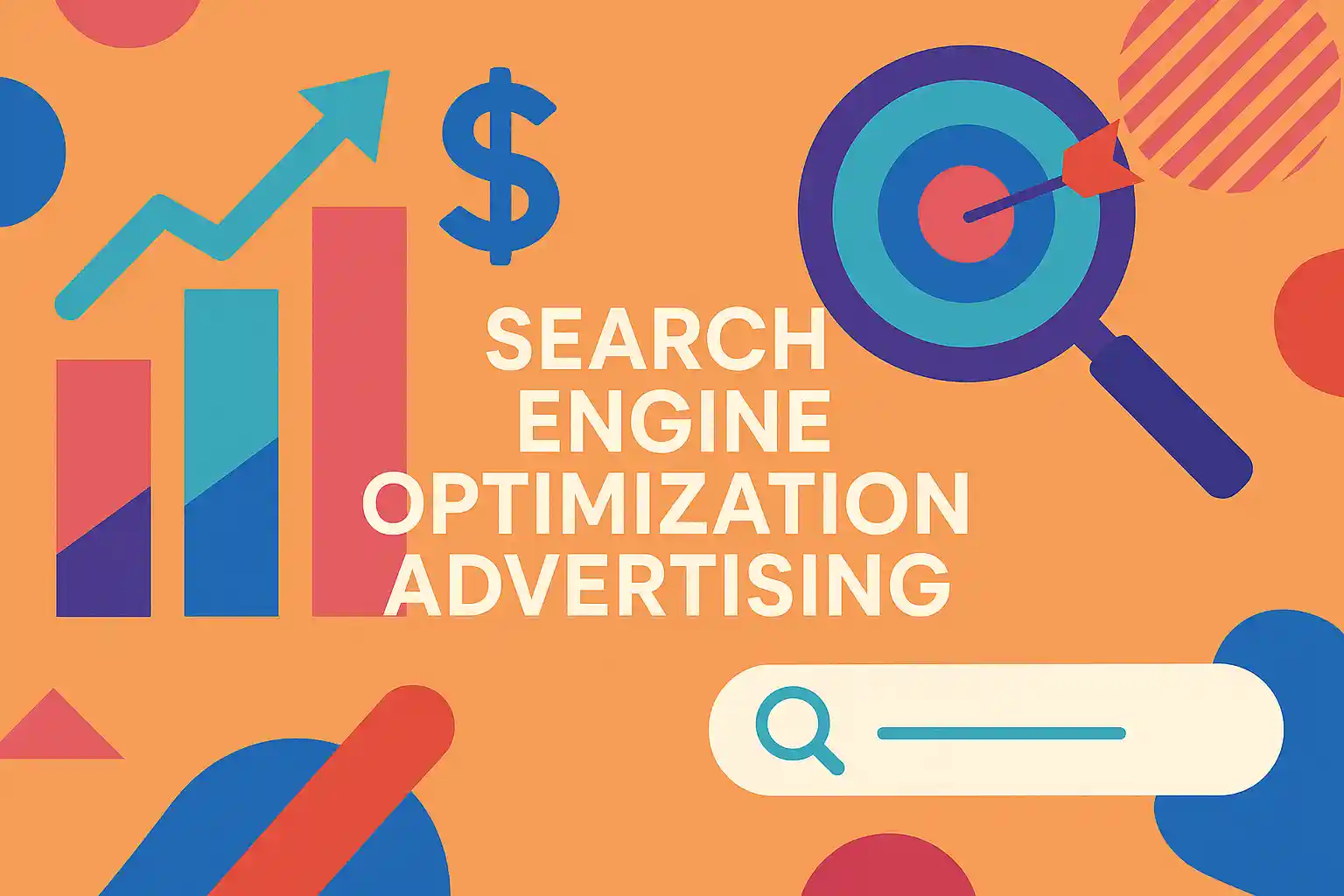
When I talk about search engine optimization advertising, I’m referring to a strategy that merges two worlds that most companies wrongly separate: organic SEO and paid search advertising. Most agencies I see treat them like completely different departments, but in my experience leading Vibe Branding, the businesses that grow the fastest are the ones that let these two channels work together.
SEO helps you rank naturally over time, while paid search puts you in front of potential customers immediately. When combined as one coordinated effort, you build long-term authority while still capturing short-term wins.
This term essentially means using SEO insights to power better ad results and using ad performance to strengthen your SEO strategy. It’s a feedback loop that helps you understand which keywords convert, what messaging resonates, and which pages deserve the most attention.
When I apply this hybrid method to a client project, I typically see higher click-through rates, lower cost-per-click, and stronger Quality Scores, all because the landing pages are built with the same intent-focused clarity that helps them rank organically. In practice, this approach delivers more qualified traffic and far more predictable results than relying on a single channel.
TL;DR
- SEO and paid search work better together than they do apart, and I’ve proven this repeatedly in my 10 years running Vibe Branding.
- Search engine optimization advertising blends organic ranking strategies with paid ads to capture more visibility, traffic, and conversions.
- This hybrid approach helps businesses lower costs, improve ad Quality Scores, and create landing pages that convert from both organic and paid traffic.
- The key is understanding search intent, building strong content foundations, fixing technical issues, and using ad data to guide SEO decisions.
- When done well, this combined strategy produces compounding returns that outperform doing SEO and ads separately.

Understanding Why SEO + Ads Work Better Together
When I first started Vibe Branding over a decade ago, I noticed right away that businesses often wasted money running ads without having strong SEO foundations. Their landing pages were slow, their messaging was unclear, and the keywords they bid on didn’t match the content on the page.
Once we began fixing organic SEO issues first, every ad campaign suddenly became cheaper and more effective. That’s because Google rewards relevance, and strong SEO builds that relevance from the ground up.
Search engine optimization advertising works because you get more control over the full search experience. You aren’t relying only on organic rankings, which can take months, or depending solely on ads, which can become expensive quickly.
Instead, you appear twice on the same results page, increasing trust and making users more likely to click. I’ve had clients jump from barely visible to dominating entire search results just by pairing a well-optimized landing page with a tightly targeted ad group.
Another reason this blended approach works is intent mapping. When we study which organic keywords pull in the best leads, we can refine ad campaigns around the same terms.
When ads perform well for certain high-intent keywords, we prioritize those topics in our SEO content. This constant feedback loop makes the entire system stronger each month, which is why I always advise clients to stop thinking in silos and start thinking holistically.
How Search Engines and Ad Platforms Work Together
To get the most out of search engine optimization advertising, you need a basic sense of how both search engines and ad platforms evaluate your content. Search engines crawl your site, index your pages, and decide how relevant they are based on hundreds of ranking factors.
At the same time, paid ad platforms run an auction that considers your bid, your expected click-through rate, and your landing page quality. What I learned early in my career is that SEO directly improves ad performance by boosting landing page relevance and user experience.
When a landing page is fast, structured well, and satisfies user intent, it usually earns a higher Quality Score, which lowers your cost per click. Understanding this connection helps explain why businesses that ignore SEO often overspend on ads.
Even the strongest ad copy cannot overcome a slow website or a page that isn’t meaningful to the searcher. I’ve worked with clients who cut their ad costs by almost half just by fixing their site structure and rewriting their content to match search intent.
That’s the power of optimizing for both organic and paid traffic at the same time. When your content is built around user needs, both Google and your customers reward you.
Another advantage of understanding how these systems work is being able to pair keywords with real user behavior. Search intent categories—informational, navigational, commercial, and transactional—impact whether a user wants to learn, compare, or buy.
When I map these out for clients at Vibe Branding, I immediately see which page types need to rank organically and which ones deserve a dedicated ad campaign. By aligning your content, keywords, and ads with each phase of the customer journey, you create a smoother path from first impression to final conversion.
Building a Strategy That Actually Works
When I build a search engine optimization advertising plan for a client, I always start with clear goals and a full understanding of the customer journey. You can’t expect SEO or ads to work when you don’t know what success looks like or how your audience behaves.
This is why I revisit the same foundational steps every time: examine the current search landscape, identify high-intent keywords, and figure out which pages we need to strengthen or create. Strategy is about prioritizing the right work, not doing everything at once.
One of the biggest mistakes I see is business owners picking keywords randomly or only chasing high-volume terms. Instead, I use a blend of SEO tools and real ad performance data to understand which keywords matter the most.
Sometimes the best SEO opportunities come from ad campaigns that quietly convert well. Other times, strong SEO pages reveal keywords we should never waste ad budget on.
This back-and-forth insight is exactly why pairing SEO and ads is so effective. It’s not about guessing—it’s about letting data lead the way.

Creating Content and Landing Pages That Convert From Both SEO and Ads
Whenever I work with a new client at Vibe Branding, one of the first things I evaluate is their landing pages. I’ve seen businesses spend thousands on ads only to send traffic to pages that load slowly, lack clarity, or barely reflect what the user searched for.
When you blend SEO and ads into a unified approach, your landing pages become one of the most powerful tools in your entire marketing system. A well-structured page should not only rank organically but also give your ads a strong Quality Score and a better conversion rate.
This is why search engine optimization advertising works so well when you create content that speaks directly to user intent and mirrors the language of your best-performing ads. As I rewrite or build these pages, I always start with clarity.
Users want to know immediately that they’re in the right place and that they can trust your business. This means using strong headlines, organized sections, short paragraphs, and proof elements like testimonials or case studies.
What many people don’t realize is that these same improvements help SEO. Google wants content that is readable, helpful, and structured logically.
When we create pages that follow these standards, both channels benefit at the same time. It’s one of the reasons I’ve seen campaigns double their conversion rates after simple content changes.
Another part of this process involves aligning search intent with the content on the page. Informational queries deserve educational pages, while commercial and transactional queries require pages that highlight value and invite action.
When ads and organic content use the same intent structure, users feel more confident and more supported. This alignment is what moves them from curiosity to commitment.
I’ve revised search campaigns where the ad promised one thing, but the landing page delivered something else entirely. Once we fixed that mismatch, costs dropped and conversions improved dramatically.
It’s a reminder that search engine optimization advertising is really about creating a unified story that works across the entire search experience.
Technical Foundations That Strengthen Both Channels
Before any campaign becomes efficient, the technical side of a website must be addressed. Over my ten years at Vibe Branding, I can say with full confidence that technical SEO is one of the most overlooked parts of improving ad performance.
When a website loads slowly, performs poorly on mobile, or contains messy code, both organic rankings and paid ads suffer. Google wants to recommend websites that offer a smooth, reliable experience.
Slow pages frustrate users, and frustrated users tend to bounce. Every bounce from a paid ad becomes wasted money, which is why the technical component matters just as much as keyword strategy or content quality.
Improving technical SEO often starts with addressing page speed. Large images, outdated scripts, and cluttered architecture can slow down a page dramatically.
Once we compress assets, clean up the layout, and streamline code, both SEO and ads instantly improve. Quality Score rises because Google sees a better user experience.
Bounce rates fall because people stick around long enough to read what’s on the page. When these improvements compound, ad costs drop while organic rankings rise.
This is one of the most satisfying transformations I get to see as a CEO—when a client realizes that fixing their website is actually the secret to unlocking stronger advertising performance.
Beyond speed, mobile experience plays a massive role. With more than half of searches happening on mobile devices, Google prioritizes mobile-friendly pages in both organic and paid results.
I run mobile usability tests for every client to ensure their pages look clean, load quickly, and remain easy to navigate on smaller screens. Technical improvements like HTTPS security, clean internal linking, proper indexing, structured data, and elimination of broken links all work together to build a strong foundation.
This foundation gives search engine optimization advertising the power it needs to deliver consistent, measurable growth.
Maximizing ROI and Reducing Wasted Ad Spend Through Unified Data
One of the biggest advantages of combining SEO and paid search is the ability to gather deeper, more accurate data. When both channels operate under the same strategy, I can identify patterns that would’ve been impossible to see in isolation.
For example, I often find that certain keywords drive strong organic engagement but perform poorly in ads. This tells me those terms are better suited for SEO content rather than paid campaigns.
On the other hand, when ads convert extremely well for a given keyword, that’s a strong sign that we should build or improve SEO content around that same topic. This cross-channel insight is one of the defining strengths of search engine optimization advertising.
The KPIs I track for this combined approach span both sides of search performance. Organic metrics like rankings, click-through rates, and user behavior reveal whether our SEO work is gaining traction.
Paid metrics like Quality Score, CPC, and ROAS reveal whether our ad messaging and targeting are hitting the right audience. When these metrics rise together, the results become far more cost-efficient.
I once worked with a local service business whose ad costs became 40% cheaper simply because we improved the SEO on their top landing pages. This allowed them to reinvest savings into more content, which in turn increased both organic and paid conversions.
To keep ROI improving over time, I test regularly. A/B testing ad copy, adjusting match types, refining landing pages, and updating content every few months keeps the system sharp. SEO is not a one-time effort, and neither are ad campaigns.
Both evolve as competitors shift strategies, search behavior changes, and Google updates its algorithms. After a decade in the industry, I’ve learned that the only way to stay competitive is to remain proactive.
When SEO and ads are maintained together, results stay strong, predictable, and scalable.
Tools, Implementation, and Long-Term Success
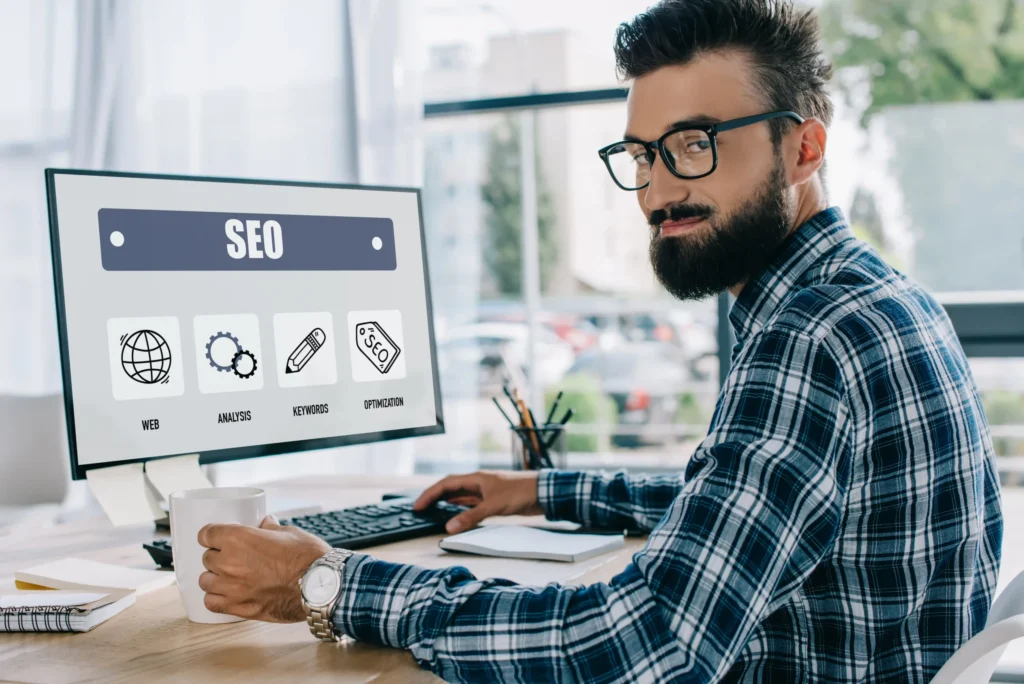
When building a unified SEO and advertising system, I rely on a mix of analytics platforms, keyword tools, and ad managers. Google Ads, Google Search Console, and GA4 provide the core data, while SEO tools help identify opportunities and track rankings.
I always recommend starting with a simple tracking dashboard that includes metrics from both channels. This makes it easier to see how each part supports the other.
Over time, businesses can add more advanced tools, but the basics alone are enough to create meaningful growth when used consistently. As for long-term expectations, I always tell clients that SEO takes time, but ads can fill the gap while rankings build.
Over several months, organic traffic rises, Quality Scores improve, and reliance on paid campaigns decreases. By the one-year mark, businesses with strong content and technical foundations usually see the benefits compound.
Search engine optimization advertising is a long-term investment, but it pays off through lower costs, stronger authority, and more qualified leads. If there’s one lesson I’ve learned in my ten years as CEO of Vibe Branding, it’s that the search landscape rewards those who build sustainably.
When SEO and ads support each other, the growth becomes predictable, trackable, and scalable. That’s the future of winning on Google, and it’s a strategy I continue to refine every day with the businesses we help.
Conclusion
After more than a decade in this industry, I can say with full confidence that businesses grow faster when they stop treating SEO and paid search as separate departments. The brands that win today are the ones that understand how people search, why they click, and what keeps them engaged once they land on a page.
That is the heart of search engine optimization advertising. It’s not just about running ads or optimizing a blog post—it’s about creating a complete search experience that supports the customer from the very first query all the way to conversion.
When your organic content, landing pages, technical foundation, and ad campaigns all work together, your marketing becomes predictable, sustainable, and scalable. This is the strategy we use every day at Vibe Branding, and it’s the blueprint I trust for every business ready to grow with clarity and confidence.