What Digital Marketing for Restaurant Really Means
When people hear digital marketing for restaurant, they often think of social media posts or online ads. In reality, it’s much bigger than that. It’s the full system that helps a restaurant get found, chosen, and remembered online.
Over the last ten years, I’ve seen restaurants succeed not because they posted more, but because their entire digital presence worked together. That includes search visibility, menus, reviews, websites, and ordering systems.
When those pieces align, growth becomes predictable instead of stressful.
At Vibe Branding, we define digital marketing as the bridge between hungry customers and the right dining experience. People don’t just browse anymore; they search with intent and make fast decisions.
If your restaurant doesn’t show up clearly and confidently, someone else gets the sale. That’s why this topic matters so much right now.
TL;DR
- This article explains how restaurants can grow using smart digital marketing
- I share lessons from 10 years running a digital marketing company
- You’ll learn what actually drives bookings, orders, and foot traffic
- We break down what works now, not outdated tactics
- This is written for restaurant owners who want real results, not hype
Why I’m Writing This From Experience, Not Theory
I’ve spent the last 10 years building and running digital marketing campaigns for real businesses, including restaurants. I’ve watched owners struggle with slow nights, rising costs, and changing customer habits.
I’ve also watched those same businesses turn things around once their online systems made sense. Everything in this article comes from hands-on work, not guesswork.
Early in my career, I made mistakes that taught me valuable lessons. I chased trends before understanding fundamentals.
Over time, I learned that restaurants need clarity more than complexity. That experience shapes how I approach digital marketing for restaurant clients today.
It’s about steady growth, not flashy spikes.
How Restaurant Customers Actually Make Decisions Online
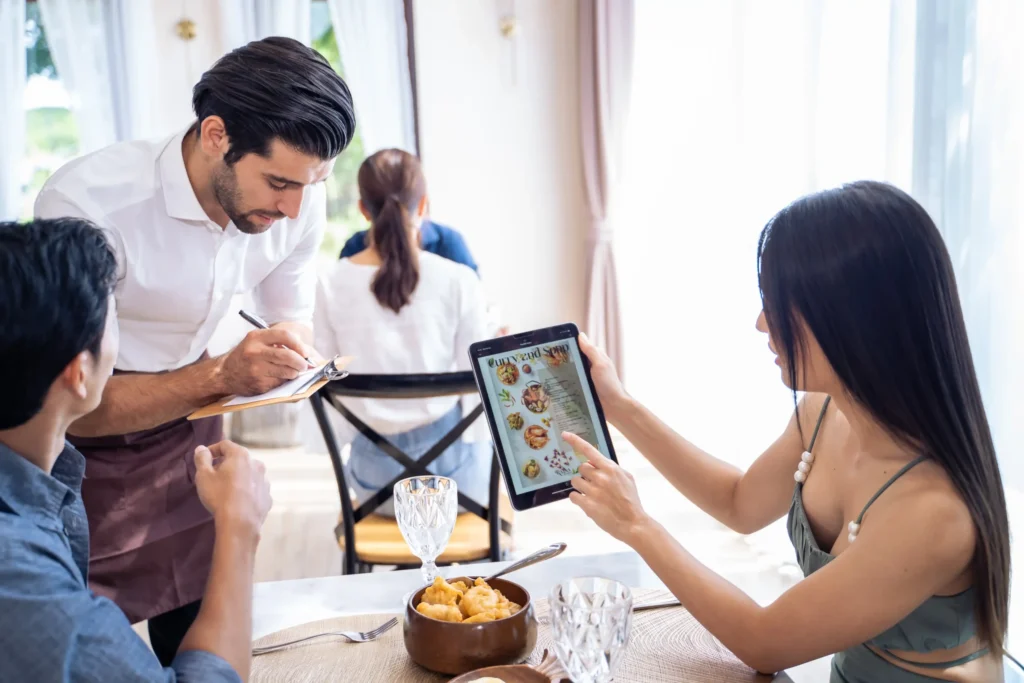
Most restaurant decisions start with a phone in someone’s hand. They search, skim, and decide in minutes.
They look at photos, reviews, menus, and location before they ever think about price. If something feels off or confusing, they move on instantly.
I’ve seen this pattern repeat across cities and cuisines. This behavior tells us something important.
Restaurants don’t lose customers because their food isn’t good; they lose them because their online presence creates doubt. Clear information builds trust.
Trust drives visits. That’s the core idea behind modern digital marketing.
The Core Pieces That Drive Restaurant Growth
Strong restaurant marketing starts with visibility. If customers can’t find you on search or maps, nothing else matters.
From there, your website and menu must be easy to use and fast to load. Confusing layouts and outdated menus quietly kill conversions.
Reviews then act as social proof, reinforcing the choice customers are already leaning toward. Over the years, I’ve learned that each piece supports the others.
Ads work better when listings are accurate. Social content performs better when the brand feels consistent.
This interconnected system is what makes digital marketing for restaurant businesses so powerful when done right.
What 10 Years of Data Taught Me About Results
After working with dozens of restaurants, patterns become clear. Small improvements compound quickly.
A better menu layout can lift orders. Cleaner listings can increase calls.
Faster pages reduce drop-offs. None of these changes feel dramatic alone, but together they transform performance.
Here’s a simplified example based on real campaigns we’ve managed:
Metric | Before Optimization | After Optimization |
Monthly Website Visits | 1,200 | 3,400 |
Online Orders | 90 | 260 |
Average Order Value | $18 | $24 |
Review Count | 22 | 110 |
These results didn’t come from luck. They came from understanding how customers behave online and building systems around that behavior.
Why Most Restaurants Waste Money on Marketing
One of the biggest problems I see is disconnected effort. Restaurants spend money on ads without fixing their website.
They post on social media without clear calls to action. They chase visibility without measuring conversions.
This leads to frustration and burnout. I’ve learned that success comes from alignment.
When goals, tools, and messaging match, marketing becomes an investment instead of an expense. That mindset shift is often the turning point for restaurant owners.
How We Approach Restaurant Marketing at Vibe Branding
At Vibe Branding, our approach to digital marketing for restaurant clients is built on systems, not shortcuts. After ten years in the industry, I’ve learned that restaurants don’t need more noise.
They need clarity, consistency, and measurable results. We start by understanding the restaurant’s story, its audience, and its real goals.
That context shapes every decision we make moving forward. We don’t jump straight into ads or content.
First, we fix the foundation. That means making sure listings are accurate, websites load fast, menus are easy to read, and tracking is set up correctly.
Once the basics are solid, everything else performs better. This process is explained in more detail on our About page, because our philosophy is rooted in experience, not trends.
How We Balance Creativity With Data
Creativity matters in restaurant marketing, but only when it’s guided by data. I’ve seen beautiful campaigns fail because they didn’t connect to real customer behavior.
At the same time, I’ve seen simple ideas win because they were placed in front of the right people at the right time. The balance between art and measurement is where strong marketing lives.
When we run campaigns, we watch how people interact with menus, pages, and offers. We look at where they hesitate and where they convert.
That insight shapes future messaging. Over time, this creates a feedback loop that improves performance without guesswork.
This is how digital marketing for restaurant growth becomes predictable instead of experimental.
Measuring What Actually Matters to Restaurant Owners
One thing I’m strict about is measurement. Likes and impressions don’t pay the bills. Restaurant owners care about bookings, orders, calls, and foot traffic.
That’s where we focus our reporting. Every campaign is tied back to real business outcomes.
We track trends over time instead of chasing daily spikes. This helps owners make smarter decisions without panic.
When numbers dip, we diagnose instead of guessing. When numbers rise, we scale what works.
This disciplined approach comes directly from years of trial, error, and refinement.
Common Mistakes I Still See Restaurants Make
Even today, I see restaurants repeating the same mistakes. One is trying to copy what big brands do without the same resources.
Another is constantly switching strategies before results have time to show. These habits create confusion and waste the budget.
Growth requires patience and focus. I also see owners undervalue their own story. Authenticity matters more than polish.
Customers connect with real people, not perfect branding. When marketing reflects that truth, engagement improves naturally.
This insight alone has helped many restaurants turn things around.
Why This Guide Is Built to Be Shared and Saved
I wrote this article to be useful long after today’s search. Everything here reflects patterns I’ve seen repeatedly across different markets.
It’s the kind of content I’d expect to see referenced in a business guide or shared between restaurant owners. There’s no exaggeration, no shock tactics, and no filler.
Good content should respect the reader’s time and intelligence. It should offer clarity, not confusion.
That’s the standard we hold ourselves to, and it’s why we invest so much thought into education-driven content like this.
Final Thoughts From the CEO’s Desk
After ten years in this field, I still believe restaurants have one of the biggest opportunities in digital marketing. Food brings people together, and technology simply helps make that connection easier.
When done well, digital marketing for restaurant businesses builds trust before a customer ever walks through the door. That trust is what turns first-time diners into regulars.
If there’s one takeaway from this guide, it’s this: success comes from alignment. When your message, systems, and goals work together, growth follows.
This article reflects how we think, how we work, and why we’ve lasted a decade in a fast-changing industry. It’s not just marketing advice; it’s a playbook built from experience.