Definition: What Is Email Marketing for Restaurants?
Email marketing for restaurants is the process of using email campaigns to stay connected with guests, promote new menu items, share special events, and encourage repeat visits. It gives restaurants a direct line of communication with customers without relying on social platforms or third-party delivery apps.
By collecting guest emails through online orders, QR codes, Wi-Fi signups, or reservations, a restaurant can build a list of people who already like their food and are much more likely to return. When used correctly, it becomes one of the most reliable ways to grow revenue consistently.
Because restaurants operate on thin margins, this kind of direct, low-cost channel makes a big difference.
TL;DR (Too Long; Didn’t Read)
- Email marketing for restaurants is one of the highest-ROI ways to keep guests coming back.
- Restaurants struggle with retention because social media algorithms and third-party apps limit how often customers see them.
- Building the right email list, sending the right messages, and using automation can instantly boost repeat orders and reservations.
- Personalization, segmentation, and strong visuals help emails stand out in crowded inboxes.
- With over 10 years of experience at Vibe Branding, I’ve seen email transform struggling restaurants into thriving local favorites.
The Challenges Restaurants Face With Retention
After working closely with restaurant owners for more than a decade, I can confidently say that one of their biggest challenges is staying top of mind. Most restaurants post on social media only when they have time, so their audience never sees half of what they share.
Even worse, third-party apps hold customer data hostage, which means restaurants can’t follow up with people who already ordered once. Without that direct connection, guests simply forget to come back, even if they loved the meal.
This gap leads to inconsistent foot traffic and unpredictable revenue cycles that stress owners out. Email solves this by giving restaurants a reliable, owned channel they can use anytime.

Why Email Marketing Generates Such High ROI
From my experience, restaurant repeat customers are significantly more valuable than first-time visitors. Once someone dines with you, they’re already warm, comfortable, and emotionally connected to your brand.
Email lets you nurture that relationship by sharing new dishes, special events, or exclusive offers that feel personal. And because email is so inexpensive to send, the margin on each converted visit is extremely high.
When a restaurant uses consistent email campaigns, I often see a steady rise in online orders and reservations within the first 30 days. The combination of low cost and predictable engagement is what makes email marketing for restaurants such a powerful channel.
The Core Elements Every Restaurant Needs Before Emailing
Before sending your first campaign, you need a strong foundation. This includes a clear opt-in process, a branded template, and a plan for how often you’ll message your audience.
Many restaurants skip this setup and wonder why their emails don’t perform well. A clean, permission-based list will always outperform a large but unengaged one.
You also need a consistent voice that reflects your restaurant’s personality—something warm, friendly, and human. At Vibe Branding, we always help restaurants create branded templates that feel like an extension of the dining experience, because consistency builds trust.
Building an Email List the Right Way
There are dozens of creative ways to grow your email list, and most of them fit naturally into your daily restaurant operations. QR codes on menus, digital receipts, online ordering pages, and free Wi-Fi can all invite customers to join your list with a simple, clear message.
I personally recommend offering something small—like 10% off or a free appetizer—because diners respond well to immediate value. When the incentive is aligned with your brand, customers happily opt in.
The key is to collect emails ethically, with transparency, and avoid ever buying lists. A permission-based list improves deliverability and builds better long-term engagement.
Different Types of Emails Restaurants Should Send
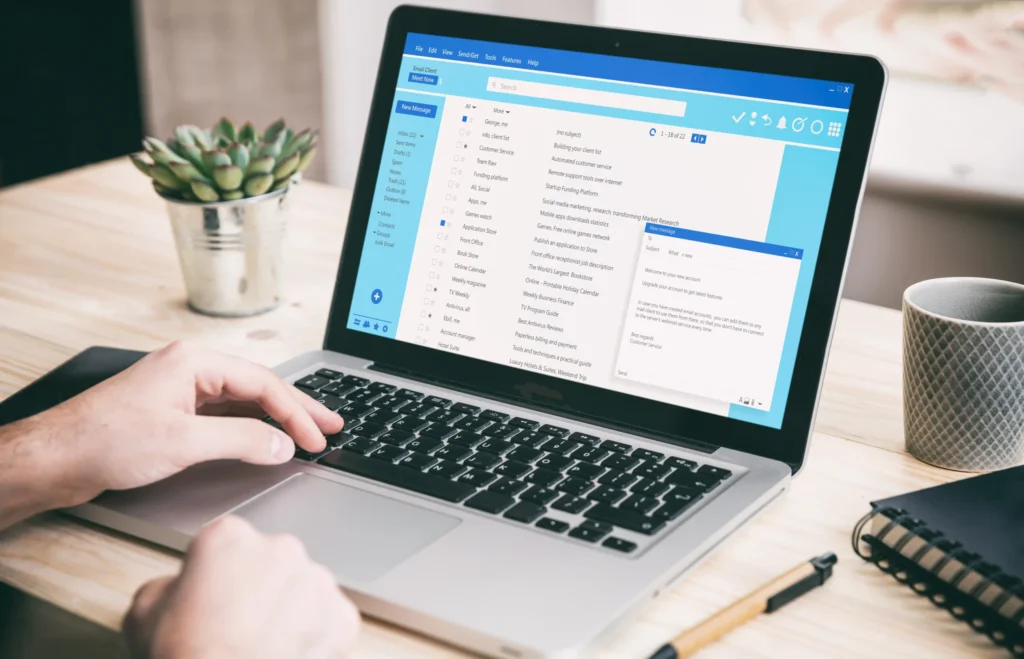
Restaurants have more opportunities to email than they realize, and each type serves a different purpose in driving engagement. Newsletters help customers feel connected and updated on what’s happening behind the scenes.
Promotions highlight timely deals or limited-time specials that encourage repeat business. Seasonal announcements help build excitement around new menus or holiday events.
Loyalty updates reward your most dedicated guests and make them feel appreciated. And post-visit emails reinforce a positive experience by thanking customers or confirming online orders.
When restaurants use all of these email types together, guests feel more connected and are far more likely to return.
Timing and Frequency That Keep Customers Engaged
One question restaurant owners always ask me is how often they should send emails. In my experience, the sweet spot is usually one to two emails per week, depending on how often your menu or events change.
Sending too little makes your brand forgettable, while sending too much overwhelms your customers. Monitoring unsubscribes can tell you when you’re leaning too far in either direction.
Testing different days and times is also valuable, because restaurant audiences vary widely. By adjusting based on performance data, you create a rhythm that feels natural and consistent to your guests.
Choosing the Right Tools and Integrations
The tools you choose can make or break your results, especially if your restaurant uses online ordering or reservations. Over the years, I’ve helped restaurants integrate email marketing with their POS systems so that customer data flows in automatically.
This makes personalization effortless because the system already knows who ordered what, how often they visit, and what they prefer. Platforms with automation and segmentation give restaurants the freedom to focus on food and service while the emails run in the background.
A strong tool also ensures better deliverability, which means more customers actually see your messages. Investing in the right setup creates long-term efficiency and stronger engagement.
Using Automation to Save Time and Drive More Visits
Automation is one of the most powerful parts of email marketing for restaurants because it handles the tedious parts for you. I always recommend starting with a welcome sequence that introduces new subscribers to your menu, story, and values.
A thank-you email after each order or reservation confirms the experience and builds trust. Birthday emails, loyalty updates, and lapsed guest reminders also work extremely well without any manual effort.
When a restaurant uses automation correctly, each customer feels like they’re receiving messages tailored specifically to them. This level of personalization keeps guests connected and encourages frequent return visits.
Advanced Strategies to Boost Revenue and Upsells
Once a restaurant has the basics in place, the next step is using email to promote high-margin items and special experiences. I often help restaurants design campaigns that highlight premium dishes, family bundles, or seasonal offerings that naturally raise the average order value.
Multi-email sequences leading up to holidays or major events can generate excitement and early reservations. Coordinating your email messaging with SMS and social media strengthens every touchpoint and keeps your brand consistent.
When guests receive aligned messages across channels, the result is higher engagement and stronger brand loyalty. Email becomes a powerhouse that works seamlessly with your entire marketing ecosystem.
Bringing It All Together
After more than ten years of helping restaurants grow, I’ve learned that the real power of email marketing comes from building genuine relationships with the people who already love your food. When you treat your guests like individuals instead of transactions, they feel more connected to your brand and naturally return more often.
Email gives restaurants the rare ability to speak directly to customers without worrying about algorithms, competing ads, or expensive third-party platforms. With thoughtful messaging, meaningful incentives, and consistent communication, even small restaurants can see a noticeable rise in repeat visits and overall revenue.
As long as you focus on creating value, telling your story, and respecting your guests’ inboxes, email becomes one of the most dependable tools you will ever use to grow your restaurant.