What “marketing strategy of a cafe” Means
The term marketing strategy of a cafe refers to the full plan a café uses to attract customers, build loyalty, grow revenue, and stand out in its local community. It includes digital tools like Google Business Profile, social media, SEO, email marketing, and online ordering systems.
It also covers offline actions like community events, promotions, partnerships, and in-store experience design. A complete strategy connects all of these into one system that brings people in, gets them to return, and inspires them to recommend the café to others.
When done well, the marketing strategy of a cafe becomes a long-term growth engine instead of random posts or temporary deals.
TL;DR
- This guide breaks down the complete marketing strategy of a cafe, based on my 10+ years growing brands at Vibe Branding.
- I explain the most effective digital tactics, offline strategies, loyalty ideas, branding steps, and customer experience improvements.
- You’ll learn how to attract new customers, increase repeat visits, and build a stronger local presence through smart marketing.
- I share real stories from my experience helping cafés and restaurants grow in competitive neighborhoods.
- A simple framework and table are included to help you understand what to prioritize and how to measure success.
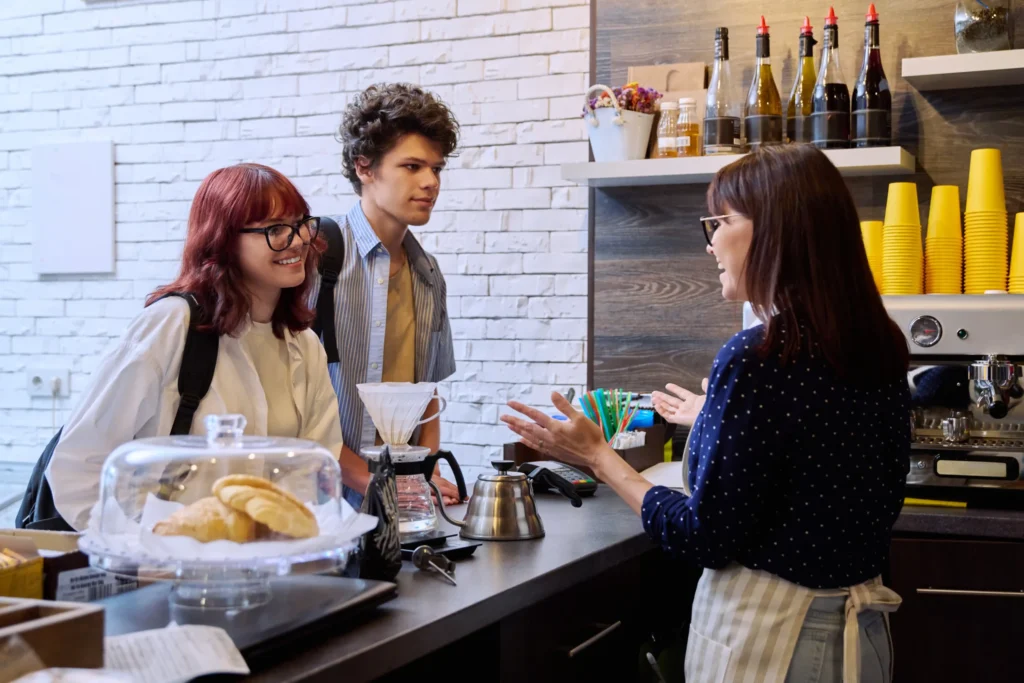
Why Every Café Needs a Real Marketing Strategy
When I first started helping café owners more than a decade ago, I learned quickly that great coffee alone doesn’t build a loyal customer base. You need a plan, and that plan must touch every part of your business, not just your social media feed.
The marketing strategy of a cafe must be intentional because most cafés are surrounded by heavy competition from chains, bakeries, diners, and even gas stations. Without a strategy, growth becomes unpredictable and owners fall into “hope marketing,” where every slow week becomes a panic.
A real plan helps steady the business so you’re not guessing what drives traffic or wondering why customers choose someone else. In my experience working with local restaurants at Vibe Branding, cafés with a clear plan always outperform those relying on chance.
Understanding Your Guests and Using Data to Guide Decisions
Every strong café strategy begins with understanding who walks through your door and who should be walking through your door. I always encourage owners to study the demographics of their area, because a café near a university behaves completely differently from one in a financial district.
It helps to analyze age, income, work schedules, and lifestyle preferences, because your menu, hours, and promotions must match your guests’ routines. One thing I’ve noticed while managing client accounts is that behavioral data is often ignored, even though it reveals what customers actually do rather than what we assume they will do.
Looking at peak hours, bestselling items, and seasonal trends gives a café the power to focus its energy in the right places. When cafés use data well, their decisions become smarter, faster, and far more profitable.
Building a Strong Café Brand That Customers Remember
A lot of café owners believe branding is just a logo, but the truth is that your brand is the entire feeling customers get when they walk in. At Vibe Branding, we focus heavily on brand voice, visuals, and in-store experience because customers judge cafés by their vibe as much as their drinks.
The marketing strategy of a cafe needs a clear identity that shows up consistently online and offline so people recognize your style instantly. This includes your colors, your tone of voice, and even the way your staff greets customers at the counter.
When a café’s brand feels aligned, guests trust it faster, spend more money, and recommend it more often. A café with a strong brand has a power that no discount or ad campaign can replace.

The Core Elements of a Café Marketing Strategy
Throughout my years advising café owners, I’ve found that a full strategy must include product, price, place, promotion, people, process, and presentation. These seven areas shape how customers perceive your café and how likely they are to choose you over competitors.
Product covers drink quality and menu design, while price affects customer expectations and perceived value. Place includes location and online visibility, which matters because most customers search “cafes near me” before visiting.
Promotion includes both digital and offline marketing, and people represent your team, who influence customer satisfaction more than any ad campaign. When all seven work together, your café forms a complete, reliable marketing engine.
Digital Foundations: Google, Yelp, SEO, and Website Essentials
The digital foundation matters more today than at any point in my career. Most customers discover cafés through their phones, which means your Google Business Profile must be complete, active, and visually appealing.
Posting weekly updates, replying to every review, and uploading fresh photos gives you higher visibility in local searches. Yelp is equally important for cafés because many customers filter by rating before even looking at the menu.
SEO helps your website attract people searching for cafés in your neighborhood, especially when you include location phrases naturally in your content. Finally, your website needs clear menu links, your hours, online ordering options, and an easy-to-navigate design that works perfectly on mobile.
Here is a simple table showing the most important digital tools and why they matter:
Digital Tool | Why It Matters |
Google Business Profile | Increases visibility in “near me” searches |
Yelp Page | Helps customers choose based on reviews |
Website | Provides menu, hours, ordering, story |
SEO | Helps organic search traffic |
Social Media | Builds community and brand personality |
Social Media and Content That Bring Customers Through the Door
In my experience working with restaurants and cafés, the content that works best is almost always simple, authentic, and behind-the-scenes. Short videos showing latte art, barista routines, and the café atmosphere outperform highly designed graphics almost every time.
Social media platforms like Instagram and TikTok reward motion, storytelling, and personality, which means cafés should focus on posting consistently rather than trying to be perfect.
Customers love seeing the people behind the counter, and they rarely get tired of seasonal drink showcases. The algorithm also favors engagement, so cafés should reply to comments, use polls, and ask fun questions.
When your audience feels involved, they become repeat guests.

Community and Offline Marketing That Build Real Loyalty
Offline marketing might feel old-school, but I can tell you from personal experience that it works better for cafés than most people assume. Visiting nearby schools, gyms, and offices with menus or coupons makes a real impact because you meet people face-to-face.
Hosting events like open mic nights, art shows, or book clubs brings customers closer to your café emotionally, not just physically. Community partnerships with local creators or student groups help cafés stay relevant and memorable.
Even small touches like a chalkboard with a catchy message or a shelf of board games add to the in-store energy. These offline efforts often lead to word-of-mouth growth, which has always been the strongest form of marketing.
Promotions, Loyalty, and Turning First-Time Guests Into Regulars
Loyalty programs are one of the most reliable growth drivers I’ve ever implemented for cafés. Whether you use a digital rewards system or a simple punch card, the goal is always to encourage repeat visits through small incentives.
Promotions like seasonal drinks, limited-time specials, and bundle deals give customers a reason to stop by more frequently. Email and text campaigns can remind guests about upcoming events, new items, or exclusive offers.
What I’ve found most effective is tying offers to specific behaviors, such as giving a reward when someone hasn’t visited in a while. The café that builds loyalty becomes the café that survives long term.
Menu Design, Seasonal Items, and Driving Impulse Purchases
The menu is a quiet sales tool, but it’s one of the most powerful parts of the marketing strategy of a cafe. When the menu is organized well, customers make faster decisions and feel more confident trying new items.
Seasonal drinks create excitement, give you new content ideas, and increase social media engagement. Pricing psychology helps guide spending, especially when you highlight bestsellers or offer simple bundle deals.
Items placed near the counter or displayed attractively often turn into impulse buys. A well-designed menu supports every other part of your marketing plan.
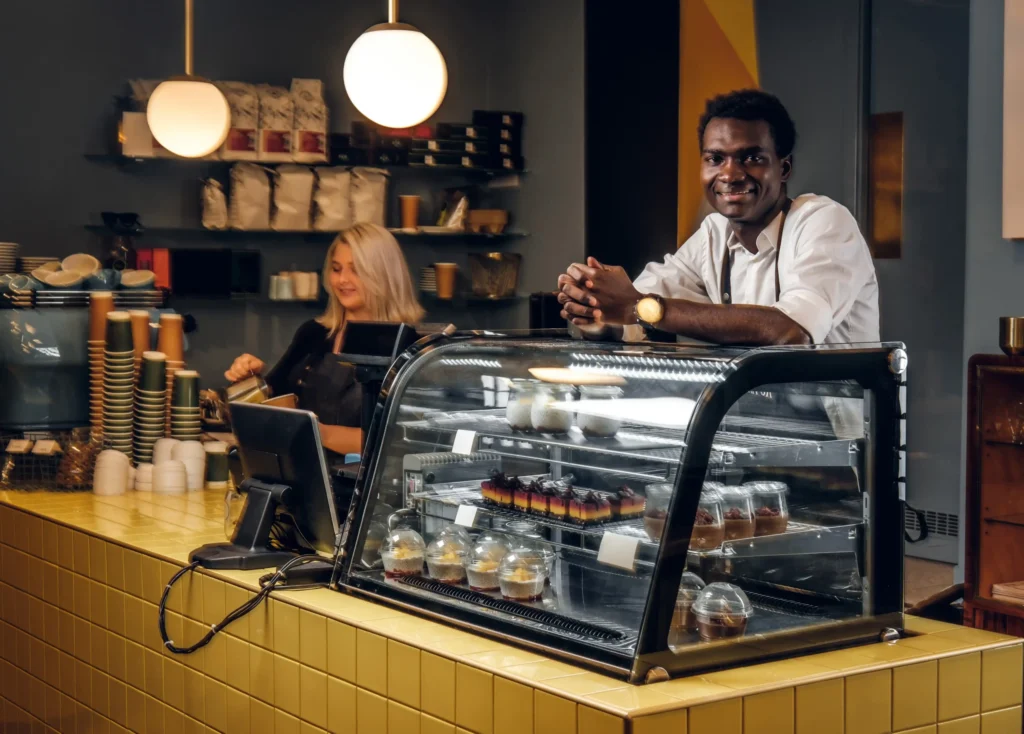
How Independent Cafés Compete With Starbucks and Big Chains
I’ve watched small cafés beat big brands countless times by leaning into their strengths instead of copying corporate strategies. Chains can’t replicate genuine hospitality, personalized service, or the unique personality of a single café.
Independent cafes can respond faster to trends, adjust menus quickly, and create deeper community connections. This flexibility gives them an advantage that chains can’t match, even with bigger budgets.
When a café embraces its neighborhood identity, customers naturally choose it over national competitors. Local character is something you can’t buy, and it’s one of the most important elements of café success.
Budget-Friendly Strategies for Cafés With Limited Resources
Many owners worry that marketing requires huge money, but most of the best tactics are either free or very low cost. Posting on social media, updating your Google Business Profile, improving your in-store experience, and attending local events cost almost nothing.
Even paid ads can be inexpensive when you target small areas or specific times of day. The key is consistency—small actions add up when done regularly.
I’ve seen cafés thrive with simple, focused marketing rather than large, scattered efforts. With the right plan, even a tight budget can deliver strong growth.
Measuring Your Café Marketing Success With Simple KPIs
Marketing only works when you measure it, and too many cafés skip this step. The most important KPIs include repeat visits, average order value, customer lifetime value, and review growth.
Email open rates and social engagement also reveal which messages resonate with your audience. Tracking promotion performance helps you know which offers to keep and which to stop.
I’ve found that monthly reviews are ideal because they show trends without overwhelming owners. When you track a few key numbers consistently, your decisions become clearer and more confident.
Conclusion
After more than ten years helping cafés grow, I’ve learned that success doesn’t come from great coffee alone — it comes from having a clear, consistent plan. The cafés that thrive are the ones that treat marketing as an ongoing system, not a one-time project.
When you understand your guests, build a memorable brand, stay active online, and stay involved in your community, people naturally choose your café over bigger chains. Even small, steady efforts like weekly Google updates or simple loyalty rewards can create real momentum.
If you stay focused, measure what works, and keep improving a little at a time, your café will build loyal guests, stronger visibility, and the kind of local presence that drives long-term growth.