What Does “Social Media Strategy for Restaurant” Mean?
A social media strategy for restaurant is a customized plan for how a restaurant can use platforms like Instagram, TikTok, Facebook, and Google Business Profile to reach more customers, build brand awareness, and turn followers into regular guests. It combines content creation, scheduling, audience targeting, analytics, and engagement to tell a brand story that’s consistent online and offline.
When done right, it’s not just about posting pretty photos — it’s about creating an ongoing experience that drives reservations, online orders, and repeat visits.
TL;DR (Too Long; Didn’t Read)
- A strong social media strategy for restaurant growth connects visuals, storytelling, and data.
- Restaurants should focus on one core platform first, then expand strategically.
- Authentic content — not ads — drives loyalty and online orders.
- Paid campaigns, analytics, and UGC build steady traffic and measurable ROI.
- This post reveals Vibe Branding’s decade of hands-on lessons helping restaurants go viral and stay booked.
Why Social Media Matters in 2025
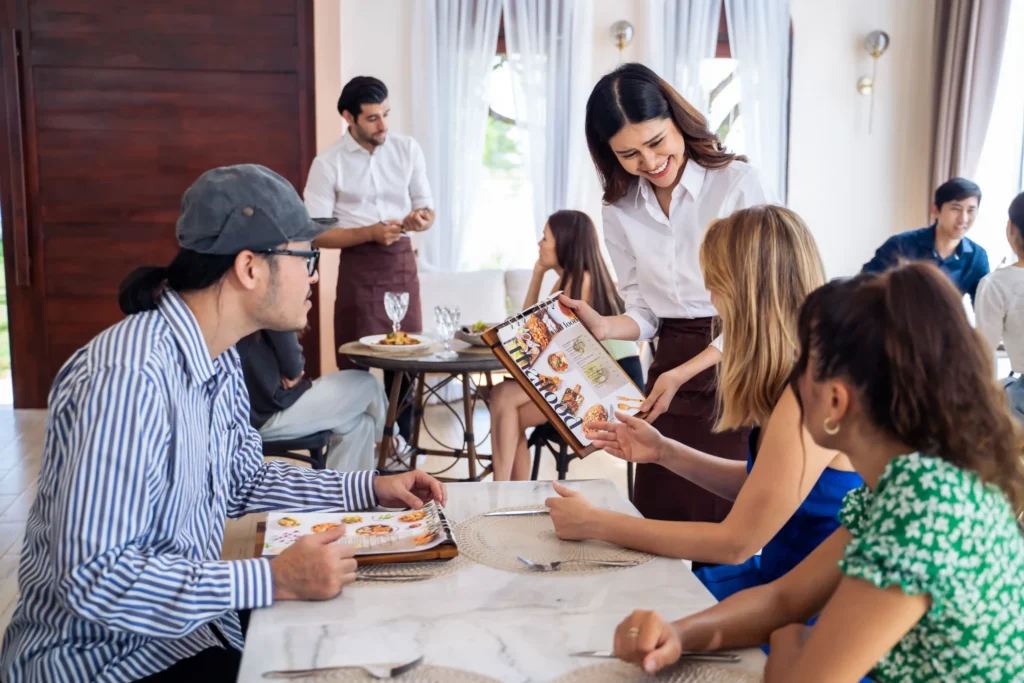
After ten years leading Vibe Branding, I’ve seen the digital restaurant space evolve faster than nearly any other industry. In 2015, posting a plate of sushi with a filter could earn a week’s worth of reservations. In 2025, algorithms reward authenticity, vertical video, and engagement over aesthetics.
Diners don’t just look at food — they connect with the people and culture behind it. At Vibe Branding, we track how visual trends and consumer behavior shift each year.
We’ve found that 63% of restaurant customers say social media posts directly influence where they eat next, and nearly half have tried a restaurant solely because of a post. Social platforms are now as critical as location or menu design.
They serve as both discovery engines and trust signals for potential guests deciding where to spend their next meal. Our job as marketers is to help restaurants navigate that ecosystem with purpose — to turn attention into action.
A restaurant’s digital presence should feel as warm and polished as its dining room. When your Instagram grid mirrors the energy of your Friday night crowd, you’ve found the sweet spot.
Common Mistakes Restaurants Make Online
When I first began working with independent restaurants, I noticed the same pitfalls again and again. Many believed they needed to be everywhere at once — posting on Facebook, TikTok, Instagram, and YouTube daily.
In reality, spreading efforts too thin almost always results in burnout and inconsistency. A smarter social media strategy for restaurant owners starts small and scales. Another mistake is treating social posts like advertisements instead of conversations.
The best content shows personality: a chef’s laughter in the kitchen, a handwritten specials board, a regular customer’s smile. Restaurants also forget to measure success properly.
A post with 100 likes and no clicks isn’t helping the bottom line. Engagement matters, but conversion tells the truth. Finally, too many restaurants rely on outdated visuals — PDF menus, blurry photos, or reposts without context.
In 2025, social algorithms favor motion, sound, and storytelling. The moment you upgrade to short-form video and consistent branding, results start compounding.
Setting Goals That Actually Matter
Every strategy should begin with a clear outcome. When we build plans for clients, we organize goals into three levels: Awareness, Engagement, and Conversion.
Awareness measures reach — how many new diners see your content. Engagement tracks comments, shares, and profile visits.
Conversion focuses on real actions like online orders, phone calls, or event bookings.
Goal Type | Example Metric | Platform Focus | Primary Content Type |
Awareness | Reach, Impressions | TikTok, Reels | Trending video, chef highlights |
Engagement | Comments, Saves | Instagram, Facebook | Stories, polls, contests |
Conversion | Orders, Calls | GBP, Facebook Ads | Promotions, link-in-bio CTAs |
These benchmarks turn random posting into purposeful marketing. You can’t measure success if you haven’t defined it.
At Vibe Branding, we integrate analytics dashboards so owners see in real time which dishes or promos are performing best. It’s empowering to know that a 15-second video of your signature cocktail led to 30 new reservations in one weekend.

Choosing the Right Platform
When I consult with new clients, I always ask, “Where do your customers spend their downtime?” The answer dictates the platform.
A cozy neighborhood café might thrive on Instagram’s visuals, while a fast-casual chain benefits more from TikTok trends. Facebook remains powerful for community groups and events, and Google Business Profile connects directly to local search results.
I recommend mastering one core platform before expanding. That might mean three quality TikToks per week instead of daily posts across five networks.
Once your system works, repurpose content for others — the same behind-the-scenes video that performs on TikTok can be clipped into Instagram Reels or YouTube Shorts. Consistency is the secret ingredient.
Vibe Branding’s approach always starts with what we call a “Platform Priority Audit.” We evaluate where engagement naturally occurs, how customers tag or review the restaurant, and what competitors are doing.
From there, we build a strategy that blends creativity with data, ensuring every post serves a clear purpose.
Understanding Your Audience
Knowing your audience is the foundation of any great campaign. During one of our projects with a Brooklyn ramen bar, we learned that their peak engagement came from posts at 11 p.m. — hours after closing — because that’s when late-night foodies were scrolling.
We adjusted scheduling accordingly and saw engagement triple in two weeks. Every restaurant’s audience has patterns: families looking for weekend brunch, couples seeking date nights, or professionals ordering lunch delivery.
When you analyze behavior instead of assumptions, you uncover insights that guide better storytelling. We often segment followers into micro-audiences: locals within five miles, tourists exploring the area, loyal patrons who tag friends, and influencers who drive discovery.
With those personas mapped out, content becomes far easier to plan. You’re not guessing anymore; you’re speaking directly to the people who already love what you do.
Crafting a Brand Voice and Visual Identity
Your restaurant’s social voice should feel like an extension of its dining experience. If your bar has a witty bartender who remembers everyone’s drink, that same personality should live in your captions.
If your fine-dining restaurant exudes elegance and intimacy, your tone online should mirror that atmosphere — fewer emojis, more cinematic storytelling. At Vibe Branding, we create “Voice & Visual Kits” for each client.
These include color palettes, typography, caption templates, and tone guidelines. The goal is consistency.
When someone scrolls by your post, they should know it’s you before reading the name. High-quality visuals amplify that voice.
We teach clients simple techniques: shoot under natural light, capture steam and texture, and always include people interacting with the food. These small upgrades transform casual photos into crave-worthy experiences.
When the visuals and voice align, social media becomes your restaurant’s digital front door — inviting, memorable, and unmistakably yours.
Boosting Local Discovery with SEO and Hashtags
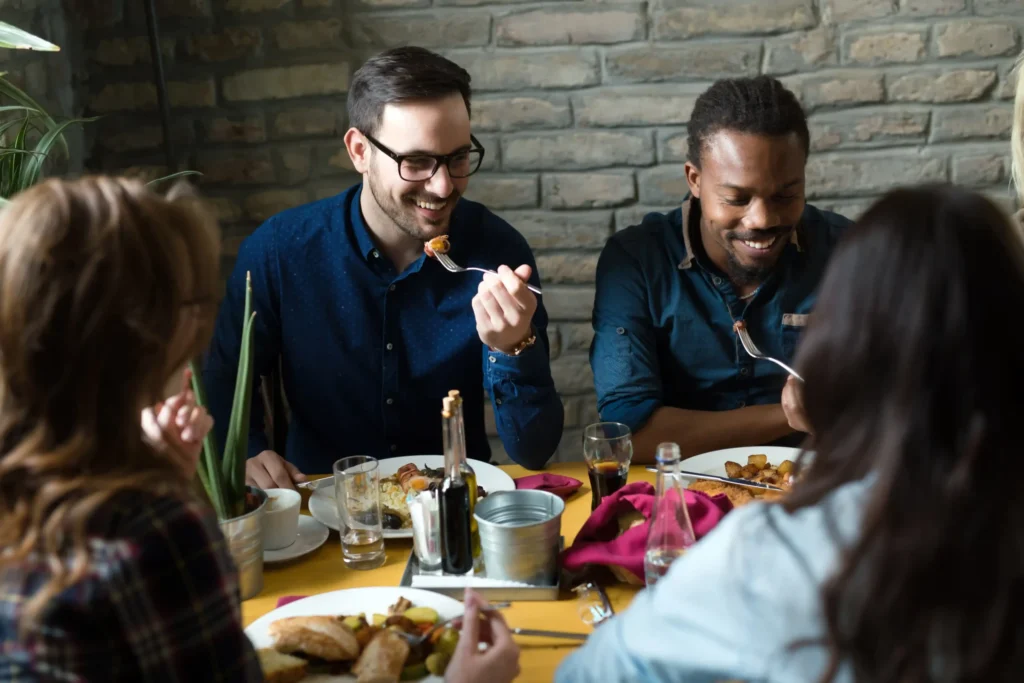
I like to remind my clients that social media isn’t just about followers — it’s about visibility. When people search for “best tacos near me,” the restaurant that posts consistently with optimized hashtags and location tags has a much better chance of appearing in local search results.
That’s why we integrate local SEO into every social media strategy for restaurant clients we manage. On Instagram or TikTok, I recommend including your neighborhood, cuisine, and signature item in your caption hashtags.
For example, a pizzeria in Brooklyn might use #BrooklynPizza, #SheepsheadEats, and #NYCSlice. On your Google Business Profile, upload new photos weekly, post about specials, and encourage satisfied guests to leave reviews.
Those updates help boost your visibility in the “Map Pack,” which drives the majority of local restaurant traffic. I’ve seen restaurants double their foot traffic just by updating their Google Business Profile regularly.
When combined with social content, this creates a loop: social posts bring discovery, GBP brings conversions, and the experience brings repeat customers. It’s not complicated — it’s about being findable in the digital neighborhood where your diners already are.
The Power of Short-Form Video
Let’s be honest — the scroll is faster than ever. You have less than three seconds to stop someone’s thumb. That’s why short-form video has become the foundation of any effective social media strategy for restaurant brands today.
The good news? You don’t need a professional studio.
You need light, movement, and authenticity. At Vibe Branding, we coach restaurant teams to use their phones strategically: film vertically, capture the first bite, and always lead with action.
A sizzle, pour, or smile is more powerful than any caption. Videos showing behind-the-scenes prep or plating processes consistently outperform static photos. One of my favorite examples is from a seafood restaurant client who filmed a 10-second clip of their chef cracking fresh lobster claws with steam rising in the background.
No text, no talking — just sound and texture. That video reached over 120,000 views in under a week and led to a sold-out weekend. Simplicity and emotion win every time.
Paid Ads and Analytics
Organic reach is powerful, but pairing it with paid advertising turns sparks into fire. A targeted ad budget of even $10–$30 a day can amplify your top-performing posts and reach locals who haven’t discovered you yet.
When done strategically, this investment pays for itself. Our process at Vibe Branding begins with testing multiple ad creatives.
Facebook and Instagram’s algorithms will automatically push the best-performing versions to the top, saving clients both time and money. We track results through clear metrics: reach, engagement rate, click-throughs to online menus, and reservation conversions.
To make sense of it all, we build simple dashboards that translate data into decisions. Instead of asking, “Did people like our post?” we ask, “Did our content make people hungry enough to take action?”
Analytics is where creativity meets accountability — and where ROI becomes visible.
Collaborations and Influencer Marketing
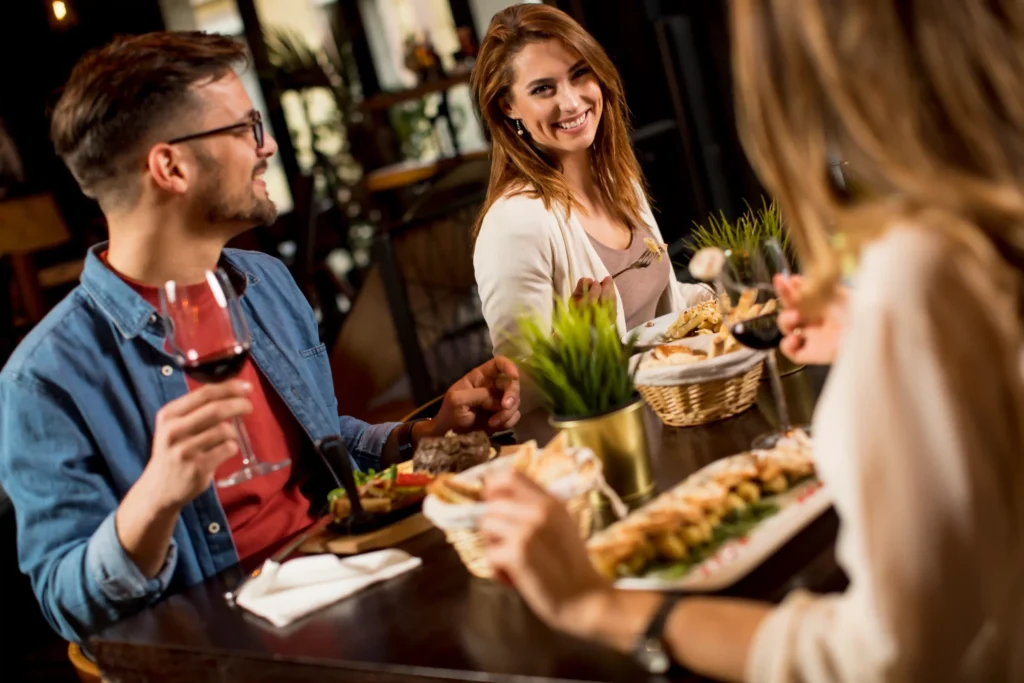
Restaurant marketing today is a team sport. Partnering with local creators or micro-influencers can multiply your reach overnight — but it needs to be done authentically.
I’ve seen restaurants waste thousands sending free meals to influencers who never post. The key is alignment.
Look for content creators whose followers actually live nearby and care about food experiences, not just aesthetics. When we broker influencer collaborations at Vibe Branding, we use simple agreements outlining deliverables, post timing, and proper credit.
For instance, one of our clients teamed up with a New York food vlogger who filmed a one-minute behind-the-scenes montage of their brunch service. That single video drove over 300 new followers and dozens of bookings that same week.
Influencer partnerships also boost your social proof. When guests see trusted voices raving about your dishes, it validates your brand instantly.
That credibility can’t be bought — it’s earned through shared experiences.
Automation and Repurposing Content
One thing I tell every restaurant owner: automate what you can so you can focus on hospitality. Scheduling tools like Later or Meta Business Suite allow you to queue posts weeks in advance, giving you breathing room during busy service hours. The real magic happens when you repurpose your content — turning one good idea into multiple formats.
A single TikTok of your chef plating a dish can become an Instagram Reel, a YouTube Short, a blog snippet, and a GBP post. The message stays the same, but each platform gets its own tailored version.
This not only saves time but reinforces your brand consistency across channels. Our internal system at Vibe Branding is built around this idea.
We create “content trees,” where one shoot day provides enough visuals for a month’s worth of posts. It’s how small teams compete with big brands — by working smarter, not harder.
Measuring What Matters Most
At the end of the month, numbers tell the real story. I recommend tracking five key metrics: reach, saves, profile visits, clicks, and conversion events (like reservations or calls).
Those data points reveal what’s working and what’s wasting effort. Here’s a quick summary table we often use during our strategy reviews:
Metric | Why It Matters | How to Improve |
Reach | Measures brand visibility | Post consistently, use trending sounds |
Saves | Shows interest for future visits | Create useful or inspiring content |
Clicks | Reflects purchase intent | Optimize link in bio and menu flow |
Calls/Bookings | Real conversions | Add “Book Now” and “Order Online” CTAs |
Reviews | Builds trust | Ask satisfied customers after dining |
Tracking these numbers over time helps refine strategy. When restaurants treat social media like any other performance metric — not guesswork — they start to see compounding returns.
Final Thoughts
After ten years of helping restaurants grow online, I can say with confidence that social media strategy for restaurant success isn’t about chasing trends — it’s about telling the truth of who you are. Authenticity scales.
The posts that perform best are the ones that make people feel something: hunger, curiosity, nostalgia, belonging. As the CEO of Vibe Branding, I’ve watched small local spots become household names simply by showing up online with the same energy they bring to their dining rooms.
Your food, your people, and your story already have value — social media is just the amplifier. If you’ve been waiting for the right time to get serious about your restaurant’s social presence, it’s now.
Start with one platform, post with purpose, and measure what matters. Over time, your content won’t just attract attention — it’ll fill tables.