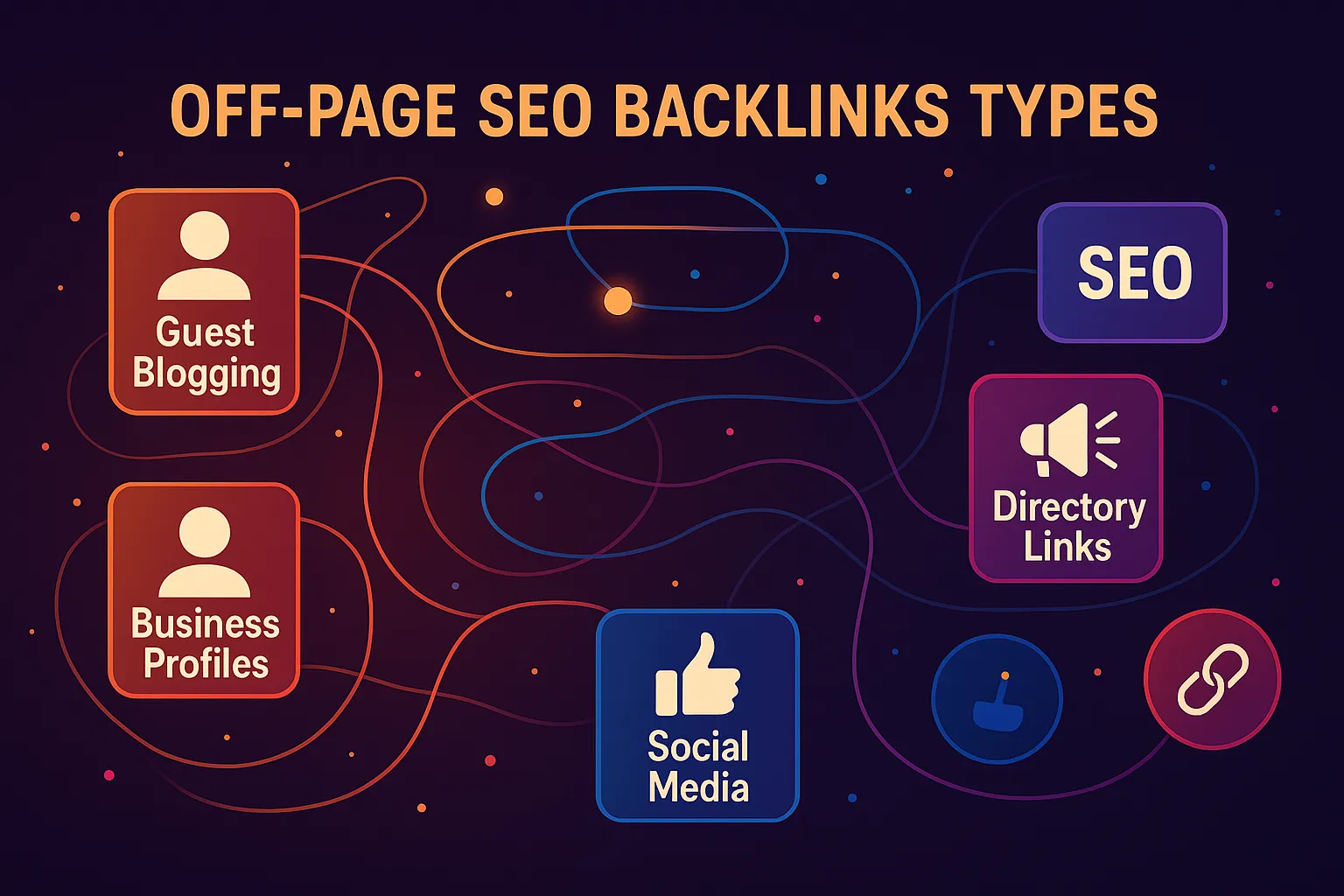
What Does “Off Page SEO Backlinks Types” Mean?
At its core, “off page SEO backlinks types” refers to the different kinds of links from other websites that point back to your site. These links, or backlinks, are a big part of off-page SEO, which includes anything done outside your own website to improve its rankings.
Search engines like Google treat backlinks as votes of confidence. When quality sites link to your content, it tells search engines you can be trusted.
But not all backlinks are created equal—and understanding the types is key to building a smart SEO strategy.
TL;DR
- Backlinks are essential to building online authority and improving Google rankings.
- Not all backlinks are equal; high-quality, relevant ones matter most.
- There are many off page SEO backlinks types including editorial, guest posts, business profiles, and more.
- A healthy strategy includes diverse sources, consistent tracking, and relationship-building.
- Toxic backlinks can hurt your SEO; we cover how to disavow them and recover.
The Power of Backlinks: Why They Matter for SEO
After working in digital marketing for over a decade, I can confidently say backlinks remain one of the most powerful tools in the SEO toolkit.
Think of backlinks as digital referrals. When other websites link to yours, they are essentially saying, “Hey, this content is worth checking out.”
Google picks up on this. Pages with more high-quality backlinks usually rank higher in search results.
In fact, according to Backlinko, Google still considers backlinks one of its top three ranking factors.
From our experience at Vibe Branding, when clients struggle to rank despite great on-page SEO, it’s often due to weak off-page SEO.
That’s why we always push for a backlink audit as part of our strategy kickoff. It’s the invisible engine driving long-term traffic.

Understanding the Different Off Page SEO Backlinks Types
When people talk about backlinks, they usually think of just one kind. But the reality is more complex.
Over the years, we’ve mapped out at least nine key types of backlinks that make a real impact. Let me walk you through them.
First, there’s the gold standard: editorial backlinks. These come naturally when a journalist or blogger mentions your site as a source in their content.
These are hard to get, but they pack a punch. Then, we have guest post backlinks.
We use this tactic at Vibe to build authority for clients in niche industries. Writing for respected blogs and linking back to your site is a win-win.
Another common one is business profile backlinks. Think of your listings on Yelp, Google Business, or industry directories.
These not only help SEO but also build local trust. Acknowledgment backlinks happen when you’re featured for sponsoring events or supporting a cause.
We recommend this for local service providers. Don’t overlook UGC (user-generated content) links like those in forums or blog comments.
When done right—and genuinely—they can still help. But they must be used carefully to avoid being flagged as spam.
Let me lay them out for you in a quick table:
Backlink Type | Description | SEO Value |
Editorial Backlinks | Earned organically from high-quality content | Very High |
Guest Post Backlinks | Links from guest-contributed articles | High |
Business Profile Links | Listings on directories, maps, and profiles | Moderate-High |
Acknowledgment Links | From events, sponsorships, or partnerships | Moderate |
UGC Links | Forum posts, blog comments, and community boards | Low-Moderate |
Badge Backlinks | Earned when other sites use your awards or badges | Moderate-High |
Testimonial Backlinks | From testimonials submitted to partners/vendors | Moderate |
Free Tool Links | Earned from linking to useful tools or calculators | High |
Comment Links | Gained by leaving insightful comments on articles | Low |
What Makes a Backlink “High Quality” in Google’s Eyes?
One of the most common questions I get asked is, “How do I know if a backlink is good or bad?” The answer lies in how Google defines trust, relevance, and authority.
A high-quality backlink usually comes from a trusted website in your industry, uses relevant anchor text, and appears in a natural editorial context. Here at Vibe Branding, we like to evaluate each backlink with five main criteria:
- Domain Authority (DA) of the linking site
- Anchor text relevance
- Placement of the link (body content vs. footer/sidebar)
- Topical relevance between the two sites
- Whether it’s a dofollow or nofollow link
Overusing exact match keywords in anchor text can actually hurt you, so mix it up. And yes, dofollow links carry more “SEO juice,” but a healthy backlink profile includes nofollow ones too.
Diversity is strength.
Watch Out: Toxic Backlinks Can Damage Your Rankings
Backlinks can help, but they can also hurt. When we audit new clients, one of the first things we look for are toxic backlinks.
These usually come from spammy websites, link farms, or irrelevant directories. Google is smart enough to detect when you’re trying to manipulate rankings through shady links.
And they do penalize sites for it. Common signs of a toxic backlink include:
- The linking domain has a high spam score.
- The content around the link is low quality or irrelevant.
- The site links out to thousands of unrelated pages.
- The anchor text is overly optimized or spammy.
- It came from a paid link scheme or obvious link exchange.
We once had a client whose rankings tanked due to hundreds of shady links from foreign gambling sites. It took months of link disavows and clean-up to get them back on track.
Lesson: never buy backlinks.

How We Help Clients Earn Backlinks That Matter
At Vibe Branding, our backlink-building philosophy is simple: earn them, don’t chase them. Over the years, we’ve refined a few tactics that consistently bring results.
We call these evergreen link-building assets. First, we create content worth linking to.
This might be a unique study, an in-depth guide, or a comparison tool. We once built a “Marketing Budget Calculator” that ended up getting dozens of links from budgeting blogs and SaaS platforms.
Next, we use outreach the right way. Instead of cold-spamming bloggers, we engage with their content, share their posts, and eventually ask if they’d be open to including our guide as a resource.
This works much better because it’s human. We also encourage clients to write guest posts and contribute to roundup articles in their industry.
And for our local business clients, we dig deep into local sponsorships, PR mentions, and testimonials as backlink opportunities. The idea is to build trust, not just links.
Tools We Use to Track, Audit, and Analyze Backlink Profiles
You can’t improve what you can’t measure. That’s why every backlink campaign we run is supported by strong analytics.
We rely heavily on a few core tools:
- Ahrefs: For deep backlink audits, competitor link gap analysis, and anchor text reports.
2. SEMrush: For toxic score evaluation and keyword correlation with backlink trends.
3. Google Search Console: For discovering top-linked pages and manual action notices.
4. Moz: For tracking Domain Authority and spam scores.
5. BuzzSumo: For monitoring brand mentions and identifying linking opportunities.
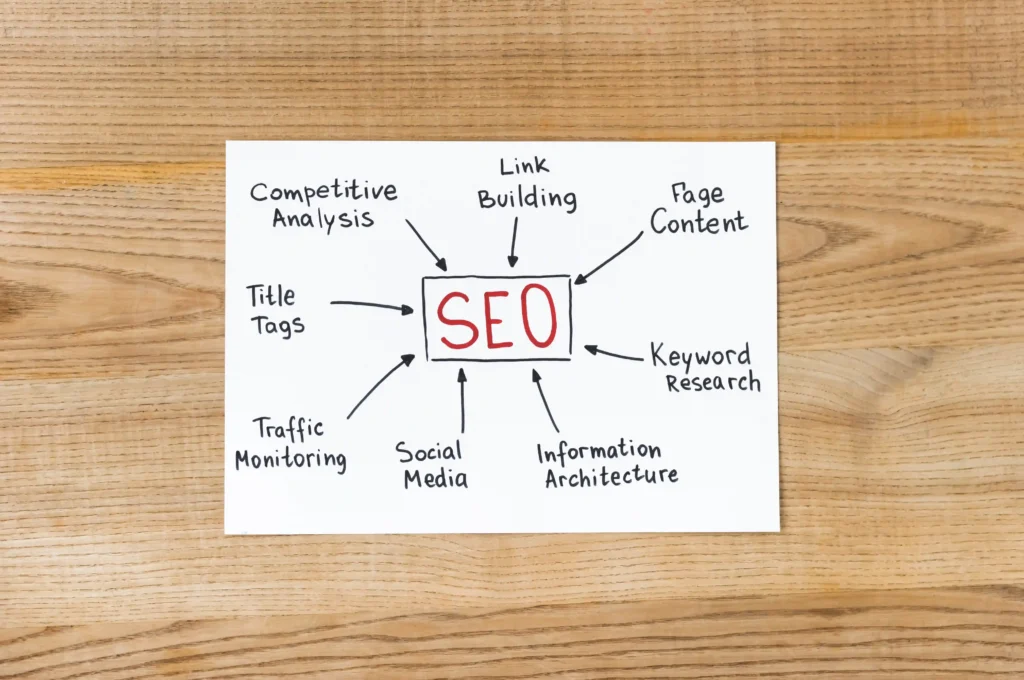
Using these tools, we build visual maps of how our client’s backlink footprint compares to top competitors. This helps us spot gaps and set realistic outreach targets.
What Does a Healthy Backlink Strategy Look Like in 2025?
In 2025, the SEO game isn’t about who can get the most links—it’s about who can earn the best ones. The algorithm keeps getting smarter, and so should our strategies.
A healthy backlink strategy today focuses on authenticity, consistency, and diversity. You want links from different types of sites, not just the same directory over and over.
This makes your profile look natural to Google. One big shift we’ve noticed is the importance of balancing dofollow and nofollow links.
Even though nofollow links don’t pass authority directly, they can still drive traffic and signal brand awareness. We also encourage clients to avoid chasing only .edu or .gov domains—those are great, but context and relevance now matter more than domain type alone.
Another pillar of a strong strategy is link velocity—how fast you’re acquiring backlinks. If you suddenly gain hundreds of links overnight, that’s a red flag to search engines.
We focus on sustainable growth. At Vibe Branding, we build monthly backlink plans that scale naturally alongside new content and PR efforts.
It’s not flashy, but it works. Finally, building relationships—not just links—is what really lasts.
Whether it’s guest blogging for a partner, collaborating on research, or co-hosting webinars, those human connections lead to real digital equity.
Final Thoughts: Earning Backlinks That Actually Matter
If you take one thing away from this post, it should be this: off page SEO backlinks types are not all equal, and your success depends on the quality, not quantity, of the links you earn. At Vibe Branding, we’ve helped brands in all industries go from invisible to invincible in search results by focusing on smart, ethical backlink strategies.
No gimmicks. No shortcuts.
From editorial placements and guest blogging to testimonials and tools, the goal is always to create something worth linking to. And when you do, backlinks become the side effect of value—not the goal itself.
Backlinks remain one of the most powerful signals in Google’s algorithm, and understanding the different types gives you a serious edge. Whether you’re starting out or cleaning up a decade of SEO baggage, it’s never too late to build a strong off-page foundation.