What is “small SEO tools SEO score”?
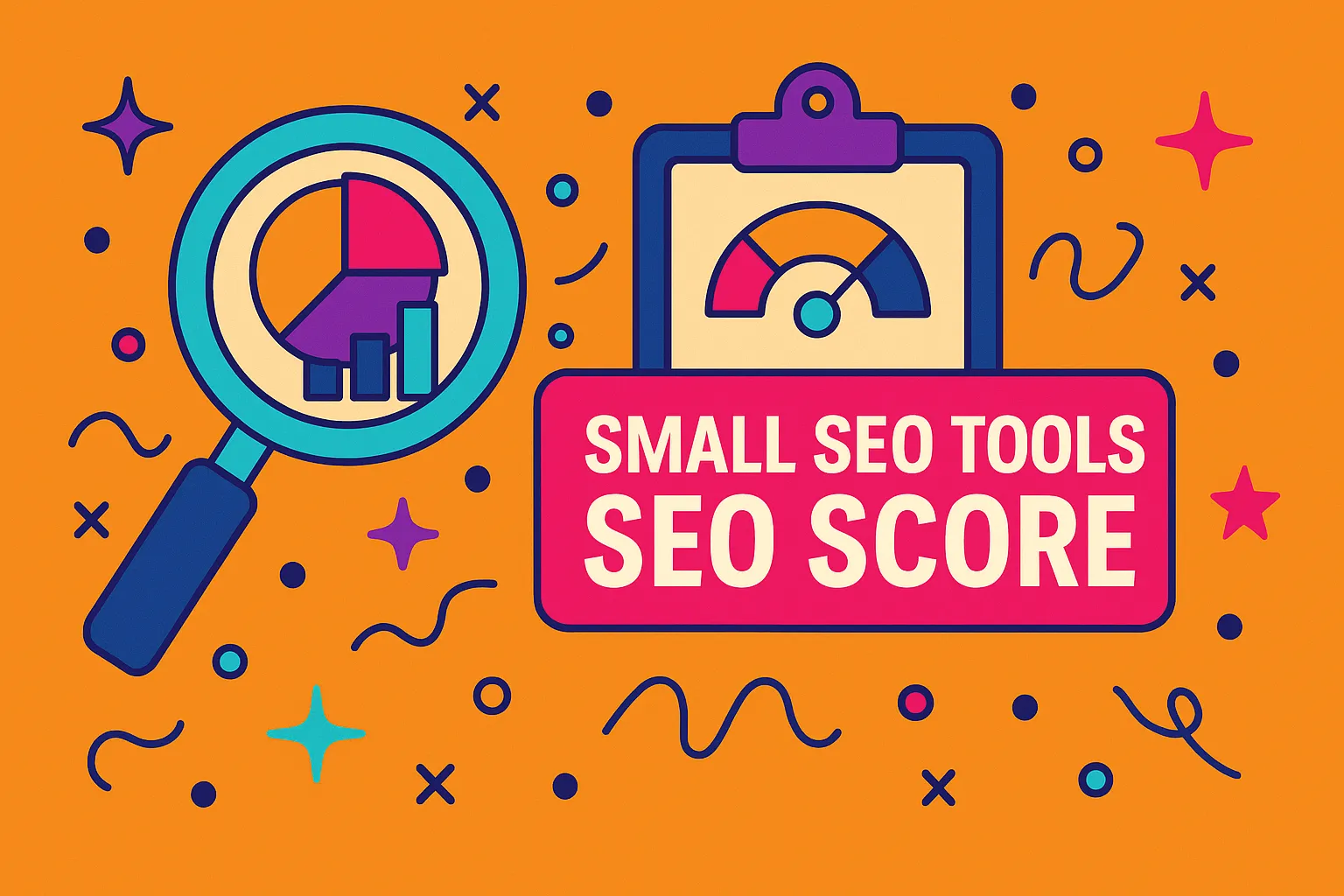
The small SEO tools SEO score is a quick, free way to measure how well a web page is optimized for search engines. It’s part of the broader suite offered by Small SEO Tools, a free platform loaded with helpful digital marketing utilities.
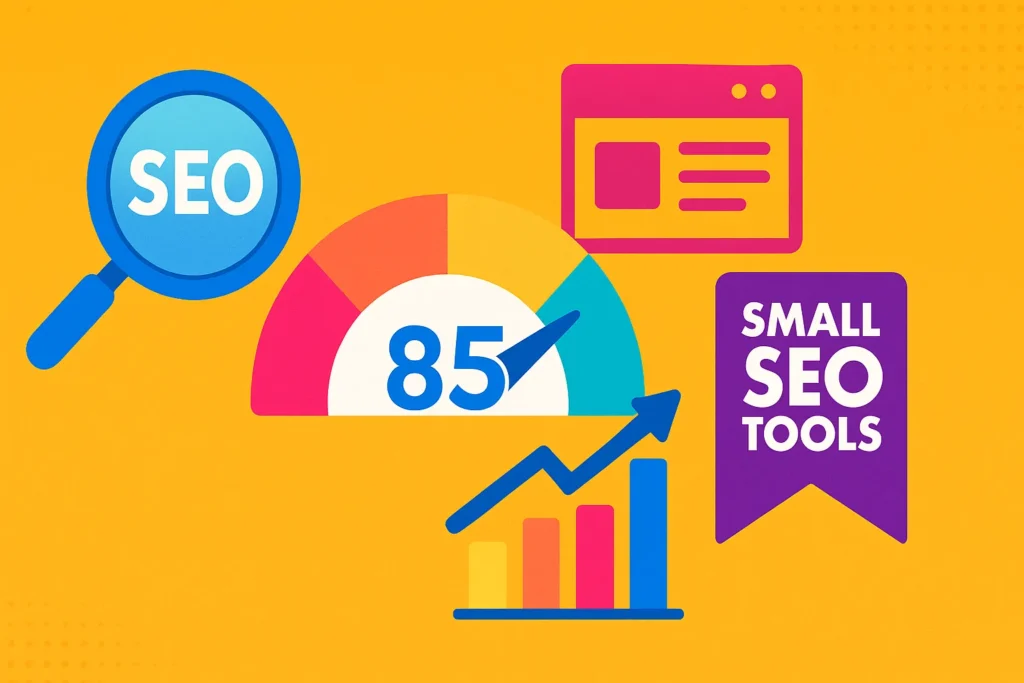
When you enter your site URL and hit “Check SEO Score,” the tool runs a lightweight audit on key elements like meta tags, headings, mobile usability, and site speed. The result is a percentage score (0% to 100%) and a breakdown of errors, warnings, and passed checks.
I’ve used this feature for clients when we need fast diagnostics or when budgets don’t allow for paid tools like Ahrefs or SEMrush. It’s not a replacement for an in-depth audit, but it’s a strong first step, especially for small business owners trying to do SEO themselves.
TL;DR (Too Long; Didn’t Read)
- Learn what the small SEO tools SEO score is and how to use it.
- Discover which SEO metrics the tool evaluates and why they matter.
- Understand how reliable the score is and what a “good” score means.
- Get actionable tips on using your SEO score to boost performance.
- Uncover the tool’s limits and how to overcome them.
- Perfect for beginners and seasoned marketers alike.
- Written from the CEO’s perspective at Vibe Branding, backed by a decade of SEO experience.
How the Small SEO Tools SEO Score Works
Running a check is easy. You just input your URL, optionally include a target keyword, and click the button.
The system pulls data from your page and evaluates over a dozen different categories. These include:
- Meta titles and descriptions
- Heading structure (H1, H2, etc.)
- Keyword usage
- Mobile-friendliness
- Page speed
- Security (SSL status)
- Robots.txt and sitemap
- Image alt tags
Each item is reviewed and marked with a “Passed,” “Warning,” or “Error” status. From there, the tool gives you a cumulative small SEO tools SEO score that tells you how you’re doing at a glance.
One of the features I really appreciate is how beginner-friendly this tool is. Clients with no SEO background can read their reports and understand what needs attention without feeling overwhelmed.
It bridges the gap between DIY users and professional marketers like us.
Is the Small SEO Tools SEO Score Reliable?
Over the last 10 years at Vibe Branding, I’ve tested a lot of SEO tools. What I’ve found is that Small SEO Tools offers a surprisingly solid snapshot for free.
Its scoring isn’t perfect — it doesn’t measure backlinks or domain authority, for instance — but it does align with many of Google’s known ranking factors. That’s a good sign.
I’ve used this score as a “starting point” with small business clients, especially when they’re in early-stage growth. For example, one client in local retail had a 52% score when we first checked.
After implementing fixes based on the report, we saw organic impressions double in less than 60 days. So yes, it’s reliable — as long as you understand its scope.
If you’re doing advanced SEO work, though, you’ll eventually want to layer in more complex diagnostics. But for basic on-page optimization, this tool hits the mark.
What’s a Good SEO Score on Small SEO Tools?
While the platform doesn’t provide a strict grading scale, here’s how we generally interpret the scores internally at Vibe Branding:
Score Range | Meaning | Recommendation |
0% – 30% | Critical Issues | Immediate attention needed |
31% – 60% | Below Average | Prioritize quick fixes |
61% – 80% | Decent but Needs Work | Address remaining warnings |
81% – 90% | Very Good | Maintain and fine-tune |
91% – 100% | Excellent | Focus on off-page SEO next |
In my own audits, I aim for clients to reach above 80% after one or two rounds of optimizations. Anything above 90% is considered highly optimized on a technical level, but it’s important to note this doesn’t guarantee top rankings — that depends on content quality and backlinks too.
What matters most is progress. The first time you check your small SEO tools SEO score, treat it like a baseline.
Each improvement moves you closer to higher visibility.
How I Use the SEO Score to Improve Websites
When we onboard a new client at Vibe Branding, we always run a quick SEO check using this tool. It helps us identify low-hanging fruit and build a custom improvement roadmap.
Here’s how we approach it: First, we look at the red flags — anything marked as an “Error.” These often include missing meta tags, broken links, or slow page load times.
Once those are addressed, we move on to the yellow flags (“Warnings”). These usually relate to keyword use, image optimization, or heading structure.
We then go beyond the tool’s suggestions. For example, if the SEO score shows the site loads slowly, we’ll dive deeper with Google PageSpeed Insights to pinpoint if it’s a server issue or bloated images.
We also cross-reference recommendations with Google Search Console data. Using the small SEO tools SEO score in this layered way allows us to scale faster and show measurable wins — which is a big part of why clients stick with us.

How Often Should You Check Your SEO Score?
I recommend checking your SEO score at least once a month, especially if you’re making regular updates to your website. At Vibe Branding, we include it as part of our monthly maintenance package for clients.
After new blogs go live, or when we launch a landing page, we re-check the score to catch any errors that slipped in. You should also check your small SEO tools SEO score anytime you:
- Redesign your website
- Add or remove major content sections
- Change page titles or URLs
- Install new plugins (especially in WordPress)
- Notice a dip in traffic or rankings
Consistency is key. SEO is not a one-and-done deal. Even if you hit 90% today, things change — Google updates its algorithm, competitors publish better content, or your hosting slows down.
Regular checks help you stay proactive, not reactive.
Limitations You Should Know
While I use and recommend Small SEO Tools, I also want to be transparent. This tool has limitations.
For example, it doesn’t check:
- Backlink quality or quantity
- User behavior metrics like bounce rate or dwell time
- Voice search readiness
- Core Web Vitals with the same depth as Google tools
- Local SEO signals (NAP consistency, Google Business Profile)
That said, this isn’t a deal-breaker — especially not for early-stage businesses. For more serious campaigns, we combine this tool with platforms like SEMrush, Screaming Frog, and our own custom dashboards built in Data Studio.
So while the small SEO tools SEO score won’t give you a full 360-view, it’s more than enough to diagnose and fix common on-page SEO issues.
It’s a launchpad, not the whole rocket.
Does This Score Align with Google’s Ranking Factors?
Yes and no. The tool does a great job evaluating known technical and on-page factors.
These include mobile optimization, HTTPS encryption, proper use of headers, keyword usage, and page speed — all things Google has confirmed impact search rankings. Where it falls short is in judging qualitative factors.
Google considers content depth, originality, and user intent. These things can’t be fully captured by an automated scan.
Also, off-page elements like backlinks, domain trust, and brand signals aren’t included. But for what it does, the small SEO tools SEO score is an excellent snapshot of how you’re doing on the essentials.
Think of it like checking your vitals before running a marathon — it’s not the race itself, but you’d better check before hitting the road.

A Beginner-Friendly Tool That Grows With You
I’ve coached countless small business owners and startup founders who wanted to “just do SEO themselves.” The biggest hurdle? Feeling lost in jargon and overwhelmed by data.
That’s where Small SEO Tools shines. The interface is simple.
The instructions are clear. You don’t need to be a developer or a marketer to make sense of your report.
That’s rare in SEO — most tools assume a certain level of expertise. And when clients grow and want to outsource or upgrade, the data collected from the small SEO tools SEO score becomes a great starting point for deeper audits.
It helps us understand where they’ve been, what’s been fixed, and what’s still left to optimize.
Free Ways to Improve Your SEO Score
Not everyone has a big marketing budget, and I respect that. In fact, that’s how many of our clients at Vibe Branding started.
The good news is, there are tons of free ways to raise your small SEO tools SEO score using insights directly from the report. First, you can compress your images to speed up load time using free tools — Small SEO Tools actually offers one built right into their platform.
For text content, rewrite weak meta descriptions or titles with their AI-powered title generator. It’s simple but effective. You can also use their keyword suggestion tool to get new ideas for optimizing your content around relevant search terms.
Next, take advantage of their sitemap generator and Robots.txt tools to make sure search engines can crawl your site correctly. Those are big wins that often go ignored.
And don’t forget about their mobile usability checker — it’ll flag if your site has clickable elements too close together or if your fonts are too small. All of these improvements require zero dollars, just a bit of time.
I’ve seen clients go from a 40% score to 75% just by following the built-in recommendations and using these free fixes. That’s the kind of return on investment we love to see.
Where to Go from Here
At Vibe Branding, we’ve spent over a decade helping clients understand their website’s health and performance. The small SEO tools SEO score is one of those rare tools that meets people where they are — whether you’re just starting your SEO journey or trying to do a quick health check before a big campaign push.
You don’t need to be a tech wizard to improve your SEO. You just need the right guidance and the right tools.
And if you’re not sure what to do with your audit results, we’re here to help. From basic score improvement to full-scale content and technical SEO overhauls, we offer flexible solutions tailored to your goals.
So start with a free check. See where you stand.
Then take action. Because the websites that win in search are the ones that never stop improving.