What Are “Restaurant Advertising Ideas”?
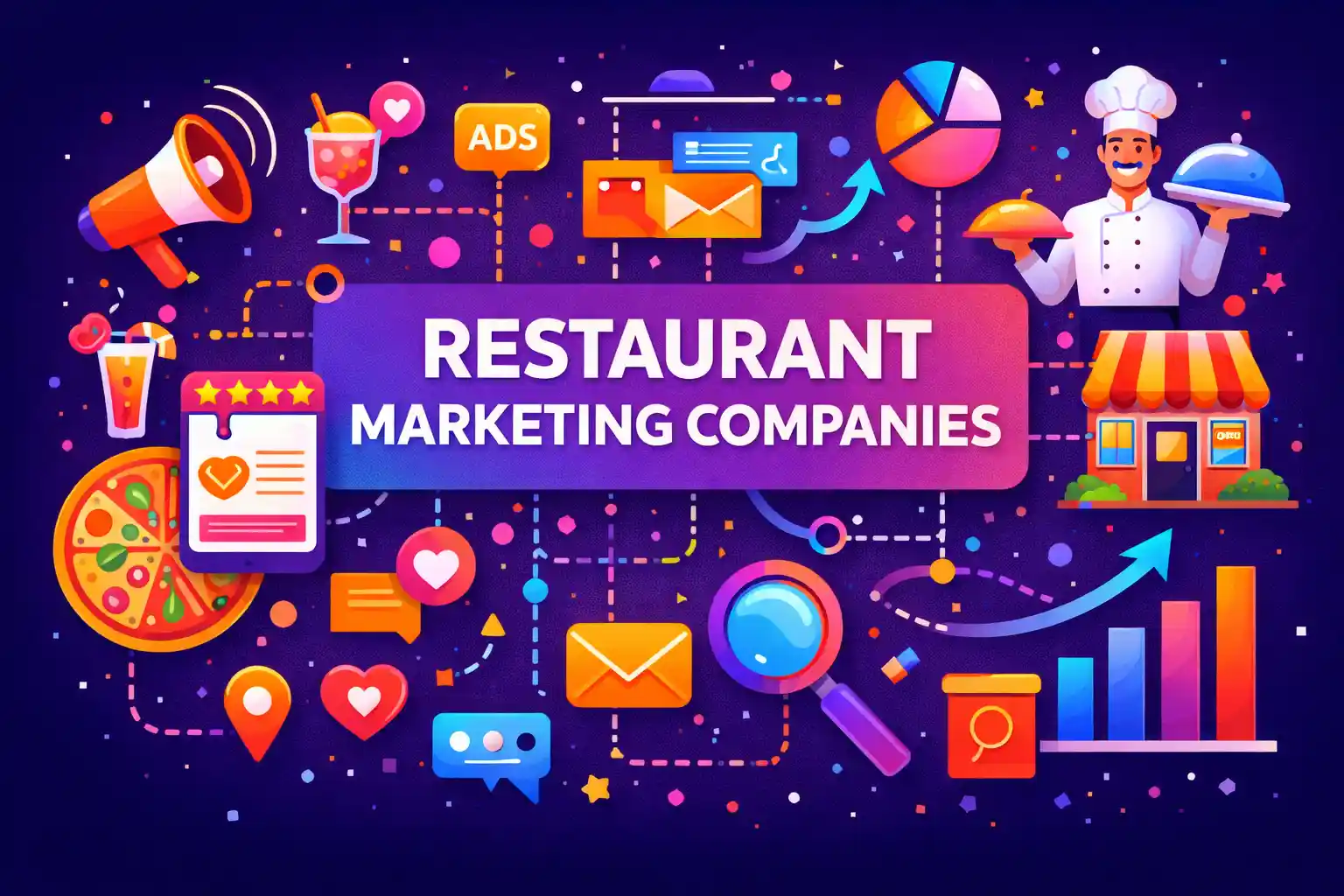
When I talk about restaurant advertising ideas, I’m referring to the practical, affordable, and creative strategies restaurants use to attract new guests, increase visibility, and drive repeat visits. These ideas include digital marketing tools like SEO and social media ads, local community partnerships, in-store promotions, and everything else that helps a restaurant get discovered.
After more than ten years running Vibe Branding, I’ve seen firsthand how the right ideas can transform a struggling restaurant into a thriving local favorite. Good advertising isn’t about doing everything; it’s about doing the right things consistently.
TL;DR — What You’ll Learn
- The most effective restaurant advertising ideas that actually work today
- How to get fast wins while still building long-term brand awareness
- Ways to advertise on a small budget without hurting quality
- Digital marketing tactics you can launch immediately
- How to use social media, community partnerships, and loyalty programs
- What metrics truly matter when measuring your advertising success
Why Strategy Matters Before You Advertise
After a decade of building marketing campaigns for restaurants across the country, I’ve learned that nearly every successful campaign starts long before the first ad goes live. It begins with clarity—clarity about your brand, audience, and customer experience.
When I meet new restaurant owners, I always ask them to describe their restaurant in a sentence. Most struggle, and that’s usually a sign that we need to refine their identity before launching anything.
Once you know who you are and who you serve, advertising becomes easier because your message feels authentic. Strong restaurants also understand their customer’s habits, such as why they choose dine-in over takeout or why they order online during busy seasons.
When we pair this insight with smart creative direction, we build campaigns that actually resonate instead of blending into the noise.
Digital Foundations That Work Every Time
Over the years I’ve noticed something interesting: restaurants often jump straight into paid ads without fixing the basics. But the basics are what drive the highest returns.
Your Google Business Profile, website experience, menu pages, photos, and review responses work together as a 24/7 digital storefront. When these pieces are strong, every paid campaign performs better and every organic interaction becomes a potential visit.
I’ve seen restaurants improve their traffic by over 50% just by updating their online menus and photography. Search engines reward clarity and quality, and customers reward convenience.
Adding clear calls to action like “Order Now” or “Reserve Your Table” makes a surprising difference because visitors no longer need to guess what to do next. With the right foundations in place, your restaurant advertising ideas gain momentum much faster because people trust what they see.
Digital Advertising Ideas You Can Launch This Week
Whenever clients ask me where to start, I usually recommend small but targeted Google Ads campaigns. You don’t need a huge budget; you just need the right keywords.
People searching “best tacos near me” or “late night pizza delivery” are already hungry and ready to take action, which means your ad has a strong chance of converting. Social media ads also work well, especially for restaurants with visually appealing dishes or signature cocktails.
When we build ads for restaurants at Vibe Branding, we focus heavily on simplicity: a beautiful dish, a clear offer, and a strong call to action. Retargeting ads provide another fast win because they remind customers to return after browsing your website.
If someone viewed your menu, they were interested—now you just need the nudge that brings them back. When you combine Google search ads, social ads, and retargeting, you create a balanced funnel that captures attention at every stage.
Social Media That Actually Builds Community
Social media is one of the most powerful tools in modern restaurant marketing, but only when used intentionally. Over time I’ve seen restaurants struggle because they use social media as a billboard instead of a conversation.
People want personality. They want behind-the-scenes moments, team introductions, chef stories, and quick videos that highlight smells, textures, and experiences.
Short-form videos are especially strong, because they help customers imagine what it feels like to dine in your restaurant. User-generated content also holds tremendous power. I’ve watched small restaurants go viral simply because a guest posted a reaction video to their first bite.
When you repost customer content, you strengthen trust and show genuine appreciation. For restaurants wanting to accelerate growth, influencer partnerships are also valuable, especially when working with local food creators whose audience matches your ideal diner.
When these social strategies work together, your restaurant advertising ideas become more organic, enjoyable, and impactful.
Budget-Friendly Advertising That Still Makes an Impact
Throughout my career, I’ve worked with restaurants that had large ad budgets and restaurants that could barely afford signage, and the truth is this: creativity beats money almost every time. Some of the most effective restaurant advertising ideas I’ve ever implemented cost less than a night’s worth of appetizers.
For example, improving sidewalk signage with bold colors and witty messages has brought in surprising foot traffic for many of our clients. Adding QR codes to packaging or outdoor menus is another easy win, because it turns casual interest into action with almost no cost.
Direct mail still works in the right neighborhoods, especially when combined with a simple offer like a first-visit discount. Local partnerships also stretch your budget, because collaborating with gyms, apartments, or coffee shops increases exposure without paying traditional ad rates.
These budget-friendly tactics prove that smart advertising doesn’t require deep pockets—just thoughtful execution.
Advertising Ideas for Dine-In, Takeout, and Delivery
One thing I’ve learned working with restaurants for more than a decade is that each service mode needs its own marketing strategy. Dine-in restaurants benefit from ambiance-focused advertising, which often showcases the experience rather than the menu.
Takeout thrives on convenience, speed, and clarity, so ads should highlight easy ordering, fast pickup, and accurate packaging. Delivery requires trust, so reviews, photos, and “Most Loved” menu items become essential parts of the campaign.
I’ve even created separate landing pages for each service type because customers behave differently depending on how they plan to eat. When your restaurant advertising ideas speak directly to the customer’s intent, your message feels more personal and customers respond at a much higher rate.
Small adjustments like these can lift conversions significantly, even when the overall campaign remains the same.
Promotions and Loyalty Programs That Drive Repeat Visits
In my experience, the restaurants that win long-term are those that treat marketing as relationship building rather than transaction gathering. A good loyalty program isn’t just a punch card or discount engine—it’s a way to make guests feel recognized.
Over the years, I’ve seen bounce-back offers work incredibly well because they give customers a reason to return soon. Seasonal and limited-time menu items also create urgency and excitement, especially when promoted consistently across social media and email.
Birthday rewards and anniversary discounts add a thoughtful touch, showing customers you care about more than their purchase. For high-spending “VIP” guests, exclusive perks like early access to new dishes or private tasting events build loyalty that no competitor can easily replicate.
When promotions align with your brand values, they become powerful tools that deepen the emotional connection between your restaurant and your community.
Tracking the Metrics That Actually Matter
Every time we launch campaigns at Vibe Branding, we remind our clients that advertising without measurement is just guessing. Data is what turns good campaigns into great ones.
I always recommend starting with a few simple metrics: reservations, online orders, website traffic, and cost per acquisition. These numbers reveal which restaurant advertising ideas are worth repeating and which need improvement.
For example, if your online ordering page gets a lot of visitors but few purchases, the issue isn’t your advertising—it might be your menu layout or pricing. Social media engagement can also be a helpful indicator of interest, but I treat it as secondary to actual purchases.
Review volume and sentiment tell another story entirely, showing how your customer experience aligns with your marketing promises. With the right dashboard and weekly monitoring, even small restaurants can operate with the precision of a much larger brand.
Keeping Your Campaigns Consistent and On-Brand
One thing I emphasize in every client meeting is the importance of brand consistency. After building digital brands for more than ten years, I’ve learned that customers trust what they recognize.
If your ads look modern but your menu design looks outdated, the disconnect creates doubt. If your photography style changes too often, customers may lose the emotional connection to your visuals. When we develop campaigns at Vibe Branding, we always start by defining a brand guide that shapes tone, colors, imagery, and messaging.
This becomes the foundation for every campaign, from Instagram posts to loyalty emails. Consistency also prevents confusion when customers see your promotions online and visit your restaurant in person.
When branding, experience, and messaging are aligned, your advertising becomes more believable—and far more effective. It’s one of the simplest but strongest restaurant advertising ideas you can implement.
Local Partnerships and Community-Based Advertising
One of the most overlooked restaurant advertising ideas I’ve seen in my career comes from simple community involvement. Restaurants are natural gathering places, so when you align yourself with the people and events that shape your neighborhood, you build deep loyalty without spending much money.
I’ve helped restaurants partner with schools, fitness studios, corporate offices, and even apartment buildings, and every time the results are impressive. People love supporting businesses that support them, and these collaborations often lead to cross-promotional opportunities that don’t require paid ads.
Hosting charity nights, collaborating on limited-time menu items, or offering discounts for members of local organizations creates a sense of belonging. When a restaurant becomes woven into the community’s daily rhythm, advertising feels less like marketing and more like an invitation.
This is one of the reasons community-based tactics continue to outperform traditional ads in many markets.
Creating Campaigns That Tell a Story
As a branding agency, we’ve learned that the best marketing doesn’t just show food—it shows identity. Every restaurant has a story, and customers naturally gravitate toward stories that make them feel something.
Whenever I take on a new restaurant client, I spend time learning their origin, values, and personality because these become the anchor for the advertising strategy. Story-driven campaigns bring warmth and authenticity to your marketing, which is something large chains often struggle to replicate.
Whether it’s the chef’s personal journey, a family recipe, or the inspiration behind the restaurant’s design, these moments connect far more deeply than traditional ads. When your campaigns consistently express who you are and why you exist, customers form an emotional bond that goes beyond convenience.
This emotional layer strengthens every other tactic, turning ordinary restaurant advertising ideas into memorable brand experiences.
Optimizing Your Website for Conversions
Although social media plays a major role in modern marketing, a restaurant’s website remains the digital home base where all advertising leads. When we rebuild sites for clients at Vibe Branding, we always focus on clarity, speed, and frictionless ordering.
A website should make it incredibly easy for someone to find your menu, your hours, and your order or reservation button. Clear photos, simple navigation, and clean design remove barriers that often prevent customers from completing an action.
Adding unique menu pages for popular items is a tactic borrowed from high-performing restaurants nationwide, and it consistently improves visibility on search engines. When your site structure aligns with customer expectations, the rest of your marketing becomes more profitable because every click has a higher chance of turning into revenue.
This is an essential part of modern restaurant advertising ideas, and it remains one of the highest-leverage areas to improve.
Bringing It All Together
When I look back at the restaurants we’ve helped over the past decade, the ones that grow the fastest are rarely the ones with the biggest budgets—they’re the ones that stay curious, keep testing, and stay close to their guests. Advertising is just the structured way of telling your story, over and over, in the places your customers already live: search, social, inboxes, sidewalks, and neighborhoods.
If you start with a clear brand, build solid digital foundations, and layer in thoughtful campaigns for dine-in, takeout, and delivery, you create a system that keeps working even when you’re not thinking about it. The real magic happens when you combine that system with genuine community involvement, loyalty programs that feel human, and data that keeps you honest about what’s working.
My goal with this guide is to give you not just ideas, but a way of thinking—so you can look at every touchpoint and ask, “Does this make it easier for someone to choose us today, and remember us tomorrow?” If you can keep asking that question and acting on the answers, your marketing will feel less like a gamble and more like a lever you can pull with confidence.
And if you ever need a partner to help you pull it, that’s exactly why we built Vibe Branding.