What Are Global SEO Solutions?
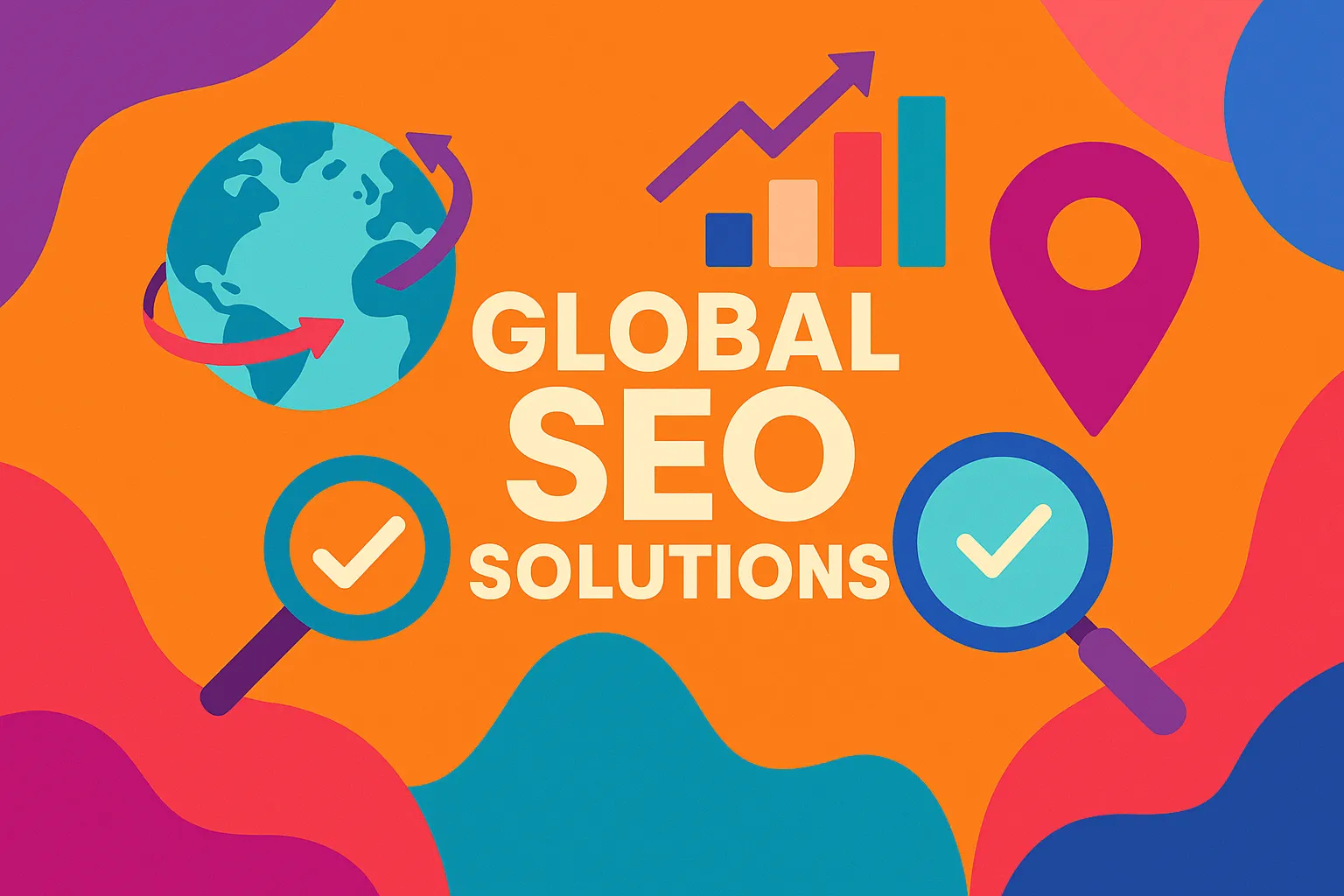
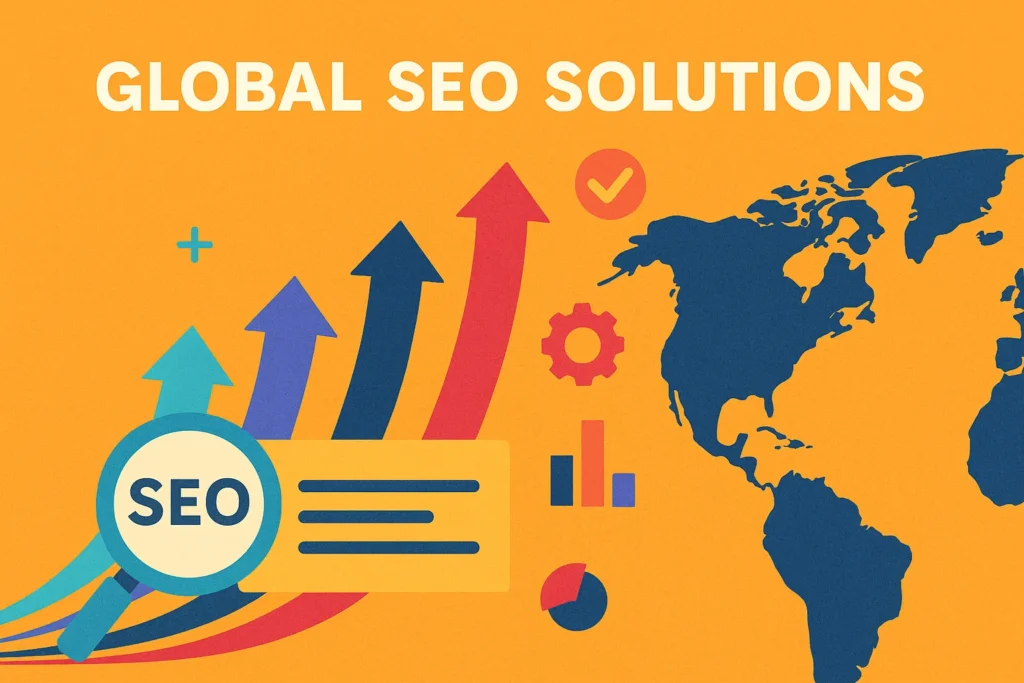
Global SEO solutions are the strategies, tools, and best practices businesses use to get their websites ranked on search engines in different countries and languages. While it sounds like one massive campaign, the truth is, global SEO is actually made up of many localized SEO campaigns tailored to specific markets.
Whether it’s a user searching from Paris, Tokyo, or São Paulo, your site should show up in their native language with content that feels like it was made just for them. At Vibe Branding, we’ve helped companies navigate this process for over a decade.
From launching multilingual product pages to structuring entire global websites, we know firsthand how global SEO solutions can drive traffic, conversions, and long-term brand growth in markets you haven’t even stepped into physically. We’ve learned it’s not just about translating content—it’s about transforming how your business shows up to different cultures across the world.
TL;DR – What You’ll Learn in This Guide on Global SEO Solutions
- What global SEO solutions are and how they differ from local or traditional SEO.
- Why your business needs a strong global SEO strategy to succeed in international markets.
- How to build, structure, and optimize your website for multiple languages and regions.
- Technical best practices including hreflang, international keyword research, and localized content.
- How to avoid common mistakes and measure success using analytics and KPIs.
- Whether you should build an in-house SEO team or hire a global SEO agency.
- Tips based on over 10 years of hands-on experience running successful international campaigns at Vibe Branding.
Why Global SEO Is Essential in Today’s Economy
Running a digital marketing agency means we’ve seen the evolution of SEO from a few keywords on a blog post to full-on global frameworks. Businesses can no longer rely on local visibility alone.
Over 8.5 billion searches happen every day, and 91% of that traffic goes through Google. But that doesn’t mean you can ignore Baidu in China or Yandex in Russia.
If you want international customers, you have to meet them where they are—and that starts with global SEO solutions. We’ve worked with ecommerce brands that were struggling to convert overseas traffic because their site only existed in English.
Once we rolled out a multilingual content strategy and implemented region-specific SEO, traffic from Germany, Japan, and Mexico shot up. Their bounce rate went down, conversions went up, and their customer support tickets dropped because users could finally find what they needed—in their own language.
That’s the power of intentional SEO that speaks the customer’s language both literally and culturally.
Understanding the Differences: Global SEO vs. Local and Traditional SEO
When I explain global SEO solutions to clients, I usually start by comparing it to local SEO. Local SEO is like putting a sign on your street corner—it tells people in the area that you’re nearby and relevant.
Global SEO is putting that same sign in multiple countries, in different languages, with cultural references that make sense for each place. The key difference is scale and nuance.
Traditional SEO focuses on one language and often one region. Global SEO takes into account the following:
- Language localization (not just translation)
- Cultural context and relevance
- Country-specific search engines (e.g., Baidu, Naver)
- Different domain structures like ccTLDs or subdirectories
- Technical elements like hreflang tags to tell Google who each version of your site is for
When done right, it feels seamless to the end user—and it drives results that last.
How to Choose Which International Markets to Target
Choosing your first international market isn’t about guessing—it’s about data. One of the first things we do at Vibe Branding is dig into your analytics.
Where are your current visitors coming from? What languages do they use?
What’s your conversion rate by country? Once we have that data, we look at search volume using tools like Ahrefs and SEMrush.
We check how competitive your niche is in that country and analyze competitors already ranking there. For example, we once had a client in the fitness apparel space that was getting unexpected traffic from Brazil.
After analyzing Google’s Brazil search trends and regional demand, we created content specifically for that market and saw a 172% increase in organic conversions in three months. You also have to consider infrastructure.
Do you offer international shipping? Can your product meet the local demand or regulations?
Global SEO is not just a marketing question—it’s a business decision.
Best Practices for Multilingual and Multiregional SEO
Now comes the fun part—executing your strategy. This is where your website starts to transform into a multilingual machine.
But it’s not as simple as plugging your copy into Google Translate. Here’s what we’ve learned after building hundreds of international content pages:
- Localize, don’t just translate – Make sure your messaging fits local culture, customs, and slang.
- Optimize content per region – Include region-specific keywords, case studies, and references.
- Use native speakers – Your tone and grammar matter. Hire translators who understand both the language and the business.
- Pay attention to metadata – Page titles, alt tags, and meta descriptions all need localization.
- Think globally, write locally – Your brand voice should stay consistent, but the stories you tell should match your audience’s world.
We recently helped a SaaS company create Spanish and German versions of their landing pages. The Spanish pages performed better than expected, while the German ones flopped.
Why? The Spanish version used localized idioms and customer examples from Latin America.
The German one didn’t. Once we revised it to speak to local pain points and added testimonials from German clients, conversions doubled.

Structuring Your Website for International Visibility
Website structure is one of the most overlooked pieces in global SEO solutions, but it’s also one of the most powerful. At Vibe Branding, we often get asked: Should I use separate domains, subdomains, or subdirectories?
The answer depends on your goals and resources, but here’s what we’ve learned from working with both startups and enterprises. If you’re targeting very different markets with large content needs, country-code top-level domains (ccTLDs) like example.fr or example.co.uk can build strong trust and rankings.
The downside is you’re managing multiple websites, which can get expensive and complicated. For mid-sized brands, we usually recommend subdirectories like example.com/fr/.
They’re easier to manage and maintain domain authority across all markets. Subdomains like fr.example.com are okay, but Google tends to treat them more like separate websites.
No matter which you choose, consistency is key. Keep your internal links clean.
Make sure each version of your content is cross-linked. And don’t forget to update your sitemap with every new translation.
Hreflang Tags and Geo-Targeting: Small Code, Big Impact
If you’ve ever heard a developer groan when you say “hreflang,” you’re not alone. These tags are tiny bits of code that tell Google what language and region a page is meant for.
But setting them up wrong can cause more harm than good. That’s why at Vibe Branding, we triple-check our hreflang implementation—because one mistake can send French users to your German page and wreck your bounce rate.
We’ve worked with clients who had beautifully localized websites but no hreflang tags. As a result, Google didn’t know which version to serve, and traffic was split between duplicate pages.
After correctly implementing hreflang in the <head> section of their pages and XML sitemap, their rankings in their top three international markets improved within 30 days. Add geo-targeting in Google Search Console when it makes sense—especially if you’re using subdirectories.
And always test your tags using tools like Google’s Hreflang Tag Tester.
Smart Keyword Research and Competitor Analysis for International SEO
One of the biggest mistakes we see companies make with global SEO solutions is assuming that keywords just translate. They don’t.
A good example is when we worked with a beauty brand expanding into Germany. The English keyword was “moisturizer,” but Germans weren’t searching that word.
They were using “Feuchtigkeitscreme.” Had we just translated without research, we would’ve missed over 10,000 monthly searches. That’s why we start every international SEO project with region-specific keyword research.
We use tools like Ahrefs and SEMrush with geo-filters to find what people are actually typing into the search bar. Then we check the intent—are they shopping, comparing, or just browsing?
We also perform local competitor audits. What’s ranking in Tokyo might not work in Toronto.
We look at:
- Top-performing content
- Their backlink sources
- Content formats (blogs vs. videos)
- Use of structured data
- Presence in featured snippets or “People Also Ask” sections
This level of analysis gives us the roadmap to outrank them.

Mistakes to Avoid When Implementing Global SEO Solutions
Even after 10 years in the digital marketing world, I still see businesses fall into the same traps when going global. The biggest?
Relying too heavily on machine translation. Don’t get me wrong—AI has come a long way, but without human editing, you risk publishing confusing or even offensive content.
Another common issue is poor technical hygiene. We’ve seen clients duplicate entire pages for different languages without adjusting meta tags or titles.
That tells Google those pages are the same, which leads to index bloat or keyword cannibalization. Some also forget about mobile optimization.
In many countries, mobile search dominates. A slow, clunky site on mobile can tank your rankings—fast.
Here’s a quick table we use during audits to prevent common issues:
Mistake | Impact | Fix |
Auto-translation only | Poor UX, high bounce rate | Use native translators + localization experts |
Missing hreflang tags | Wrong pages rank in SERPs | Add correct hreflang + geo-targeting |
Same metadata for all pages | Duplicate content issues | Localize titles, meta descriptions, and alt tags |
No regional keyword research | Missed opportunities | Use local tools to find true search behavior |
Ignoring mobile optimization | Lost rankings in mobile-first indexing | Improve speed, UX, and test on multiple devices |
Avoid these five, and you’re already ahead of most.
Tracking Your Success: What KPIs Matter in Global SEO?
Measuring success is more than watching traffic rise. With global SEO solutions, we break things down by country, language, and user behavior.
In our agency, we set up region-based filters inside Google Analytics and Search Console to look at:
- Organic traffic by country
- Top-performing keywords in each language
- Conversion rate per region
- Bounce rate on international landing pages
- Local device usage (mobile vs. desktop)
We also build dashboards for our clients so they can visualize their international SEO growth in real time. It’s not just about reporting numbers—it’s about using that data to improve strategy.
One client thought their UK market wasn’t converting. But the analytics told a different story: people in the UK were hitting a U.S.-focused checkout page.
Once we created a UK-specific funnel, their sales grew by 61% within 45 days. This kind of insight is why we tell every client—don’t skip the reporting.
Should You Go In-House or Hire a Global SEO Agency?
This is a question we get often, and the answer depends on your size, budget, and timeline. If you have a strong in-house team that understands multilingual SEO, localization, dev ops, and content strategy, you might be okay.
But let me be honest—it’s rare. Most of our clients come to us after realizing how complex global SEO is.
From coordinating translations to managing server-side rendering, it’s not something you want to figure out on the fly. Agencies like ours bring:
- International keyword research expertise
- Native speakers for accurate translation
- Technical SEO support for hreflang and structured data
- Localized content creation at scale
- Reporting infrastructure with regional segmentation
Sometimes, a hybrid approach works best. Your in-house team handles brand tone and content approvals.
We handle strategy, implementation, and optimization. That collaboration is what gets results.
Final Thoughts: Global SEO Solutions That Actually Work
After a decade in digital marketing and working with businesses across the globe, I can say this confidently: global SEO solutions aren’t optional anymore—they’re essential. Whether you’re a growing e-commerce brand or a large-scale enterprise, the world is your market.
But only if you optimize for it. At Vibe Branding, we don’t just translate your website—we reimagine your digital presence in every region you serve.
We bring technical SEO, creative content, and deep localization together to build strategies that scale with your business. The process takes time, and yes, it’s complex.
But the payoff? It’s global.
And it lasts.